

How do we do Vocational Training at ACE?
Vocational training helps children and adolescents with autism develop practical skills needed for independence, daily living, and future work participation. It focuses on building responsibility, task completion, work habits, and confidence through structured, meaningful activities that encourage independence, self-confidence, communication, problem-solving, and greater participation in everyday routines and responsibilities.
At ACE, vocational training is not just about preparing for jobs — it is about empowering learners to become capable, independent individuals who can participate meaningfully in their homes, communities, and future workplaces.


How do we do Vocational Training at ACE?
Our vocational program follows a structured, step-by-step approach tailored to each learner’s abilities, interests, and readiness level.
- Building Pre-Vocational Foundations
- Following instructions and routines
- Sitting tolerance and task completion
- Sorting, matching, and organizing materials
- Waiting, turn-taking, and persistence
- Managing workspace and materials
- Introducing Structured Vocational Activities
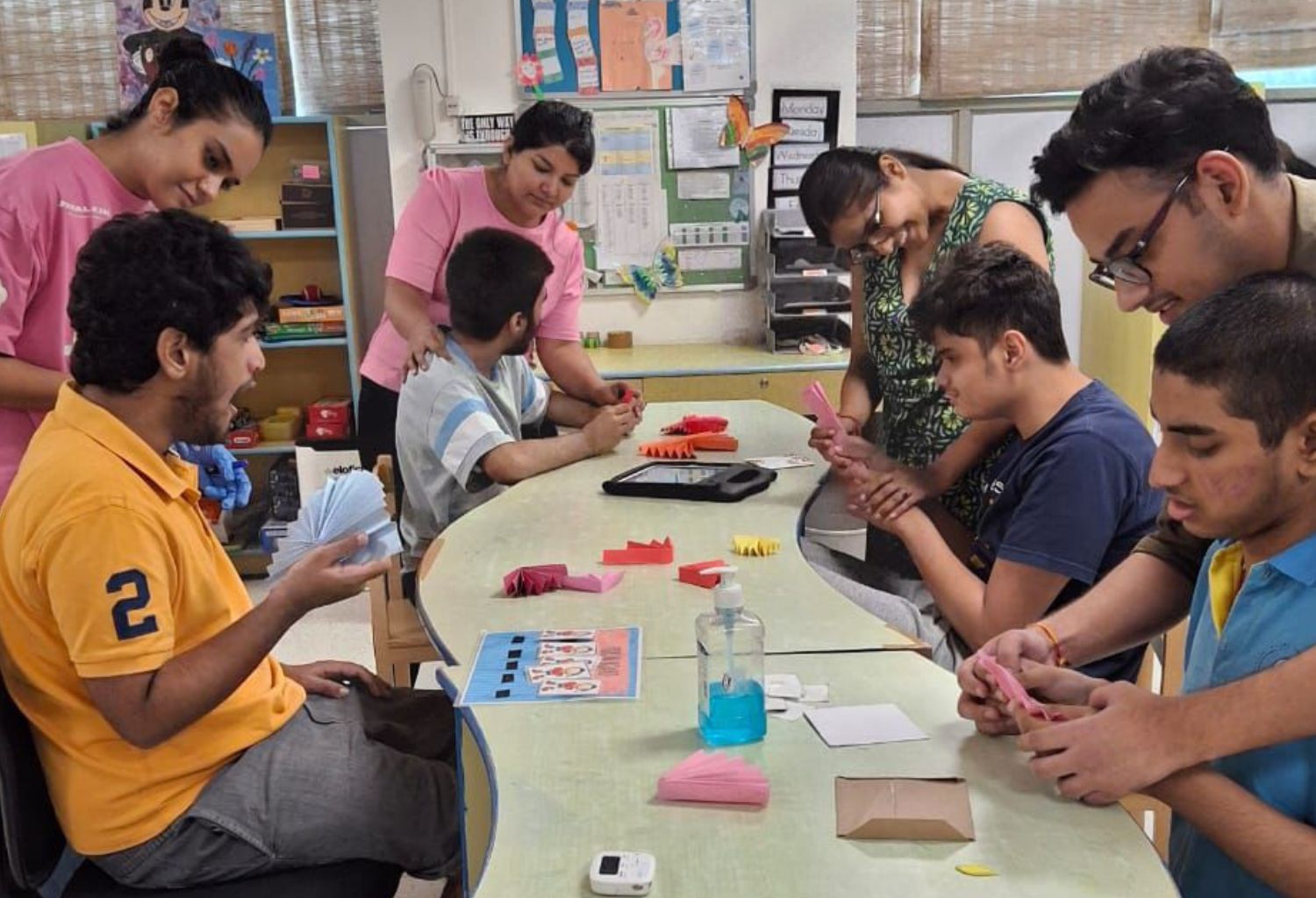
- Resin product making
- Chocolate making
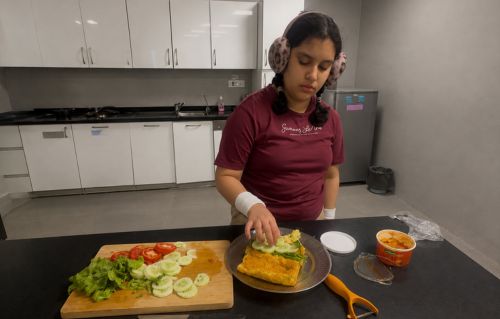
- Restaurant simulation tasks
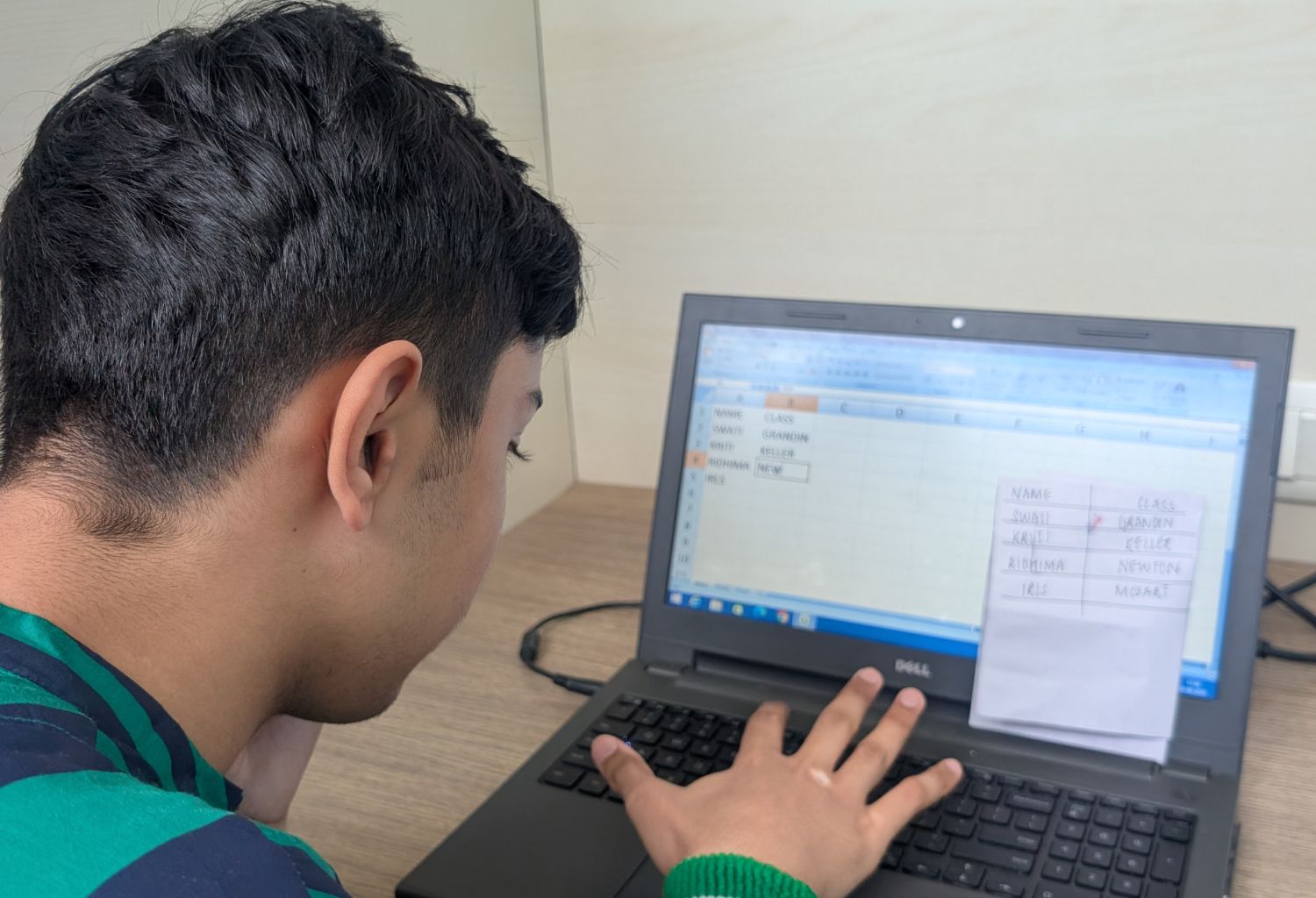
- Clerical routines (sorting, filing, stamping, organizing)
- Packaging and assembly work
Each activity is broken into small steps, supported with visuals, and practiced repeatedly to build independence and confidence.
- Promoting Independence
- Therapists gradually reduce support, encourage self-monitoring, and build work habits such as responsibility, accuracy, and pride in completion.
Why Choose ACE for Vocational Training?
- Individualized vocational goals based on each learner’s strengths.
- Structured teaching methods with visual supports.
- Real-life activity setups rather than worksheet-based learning.
- Focus on independence, not just task completion.
- Integration of behavior regulation, communication, and life skills within work tasks.
- Experienced therapists trained in autism-specific intervention approaches.
At ACE, vocational training is purposeful, engaging, and developmentally appropriate — helping learners build confidence while preparing for the future.
Common FAQs – Vocational Training
1. At what age can my child start vocational training?
Pre-vocational skills can begin as early as primary school years once children can follow simple instructions and engage in structured tasks.
2. Does vocational training mean my child will be placed in a job soon?
No. The goal is to build readiness, independence, and functional skills first. Job placement is a long-term outcome, not the immediate focus.
3. What if my child has limited attention or behavior challenges?
We begin with foundational readiness skills and gradually introduce vocational tasks once the child is ready.
4. Will my child work on the same activities every day?
Activities are rotated based on goals, interests, and skill levels to maintain motivation and encourage generalization.
5. How do you track progress?
Therapists monitor independence levels, accuracy, task completion, and work behaviors, and share regular updates with parents.
Enhancing Everyday Independence with Vocational Training
Personalised, evidence-based support to develop functional skills, improve sensory regulation, and help individuals participate confidently in daily activities.


