
What is Speech-Language Therapy?
Speech-Language Therapy supports the development of meaningful communication skills that allow individuals to express needs, build relationships, access learning, and participate independently in daily life.
Communication may include: Verbal speech, Vocalizations, Gestures, Manual signs, Picturebased communication systems, Facial expressions and eye contact, social interaction skills, Augmentative and Alternative Communication (AAC).
Individuals with autism may experience differences in receptive language (understanding), expressive language (expression), speech clarity, social communication, oral-motor coordination, or functional
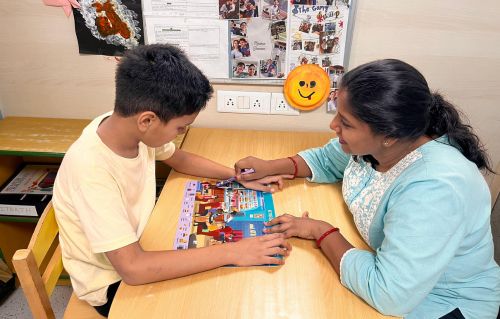
communication. These needs vary across age and developmental levels.
At ACE, we focus on building functional, reliable, and individualized communication systems so that every learner has a meaningful way to express themselves.
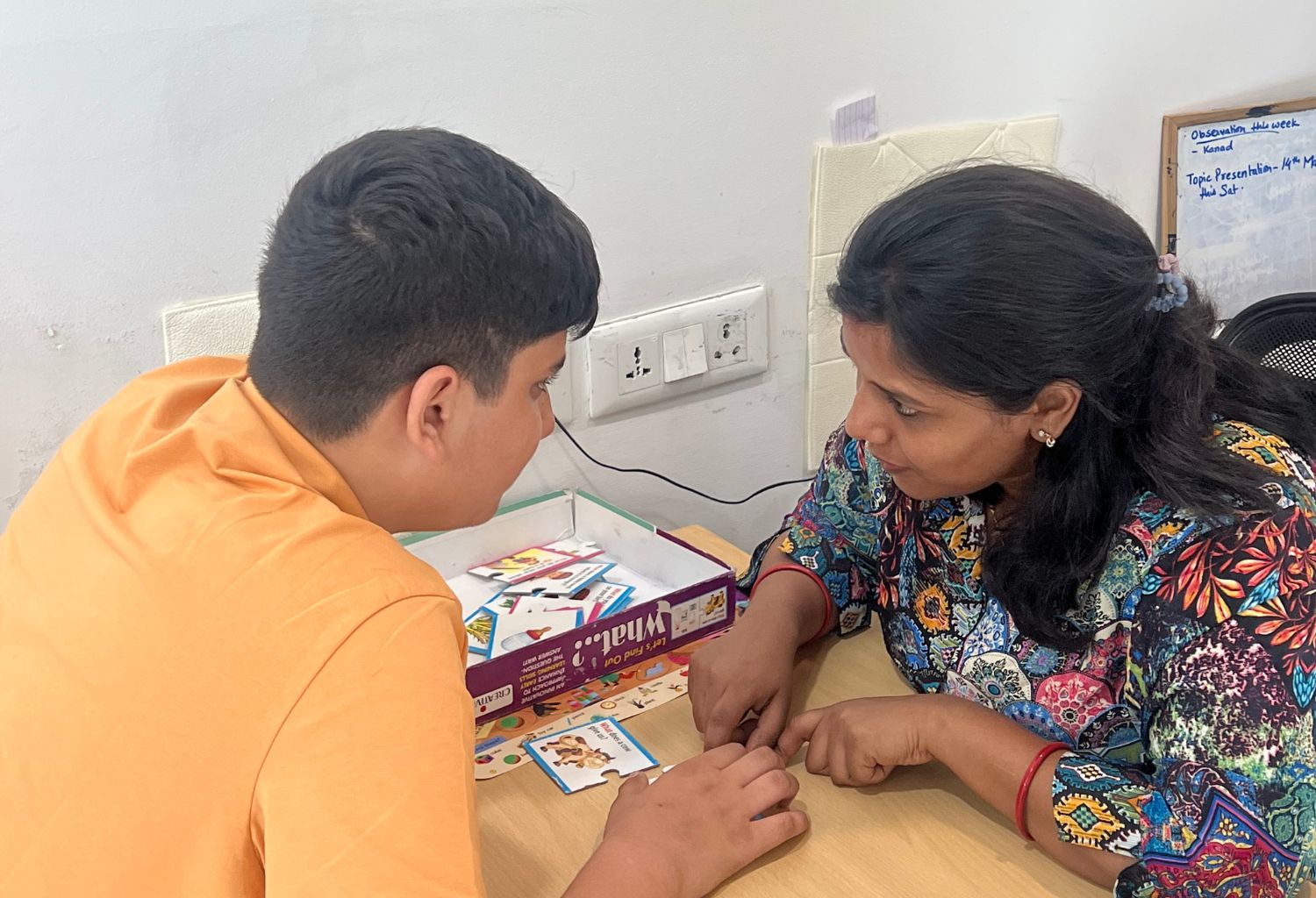
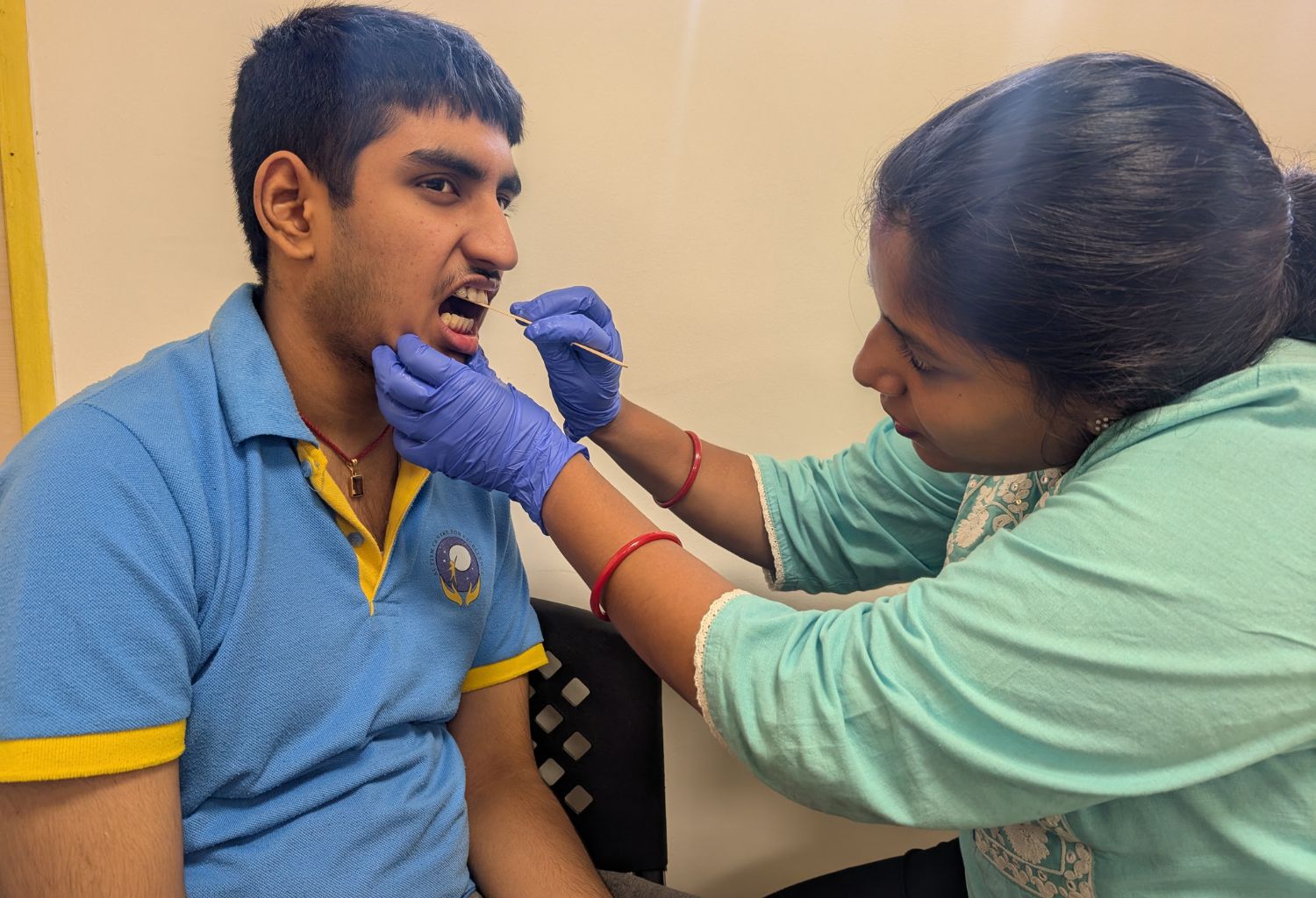
How We Provide Speech-Language Therapy at ACE
Speech therapy is integrated into each learner’s Individualized Educational Plan (IEP). Goals
are tailored based on developmental level, communication profile, oral-motor and sensory
needs, cognitive abilities, functional demands, and family priorities.
- Assessment and Individualised Goal Setting
- Our SLPs evaluate: Communication strengths and challenges, Receptive and expressive language skills, Speech sound production and clarity, social communication abilities, Oral-motor functioning, Suitability for manual signs, picture communication, or AAC.
- Individualized, measurable goals are created and progress is systematically monitored.
-
Functional Communication Development
We prioritize functional communication so learners can effectively express needs, emotions, thoughts, and experiences.
Focused area are set according to communication needs which includes joint attention, imitation, engagement skills and foundational requesting (help, more, break, attention, bathroom), Expanding sentence length, Answering WH-questions, Classroom participation, Narrative development, Conversational repair, Workplace and community communication,
Self-advocacy skills
-
Speech Production and Oral-Motor Support
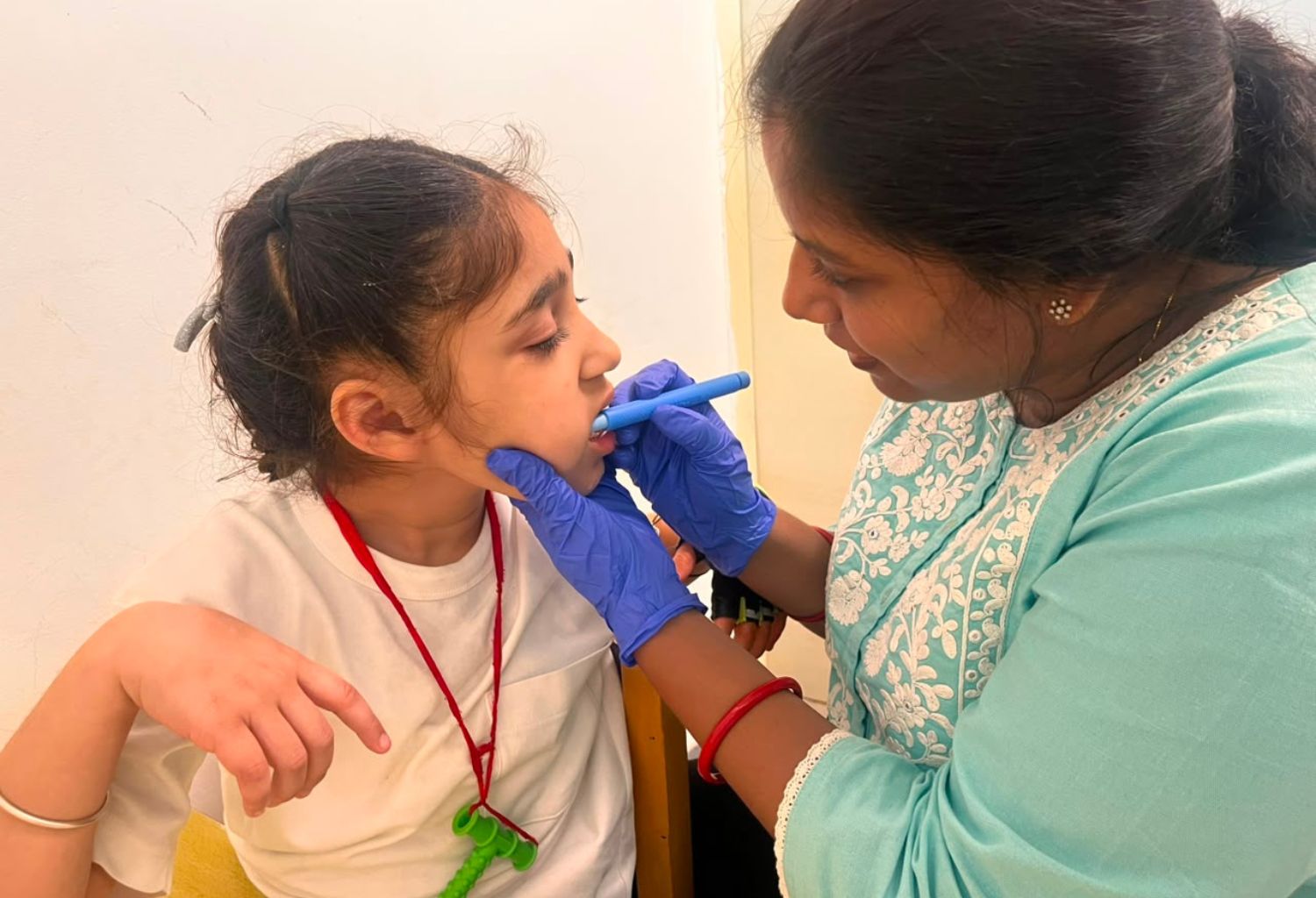
- We address the physiological and motor aspects of speech production, including: articulation and sound production, phonological patterns, voice quality and fluency, speech rate and overall intelligibility.
- Intervention may include: Oral-motor strengthening and coordination, Oral placement techniques, Motor speech interventions, Fluency and phonological therapy
All strategies are functional and generalized across environments to ensure clarity in reallife situations.
-
Augmentative and Alternative Communication (AAC)
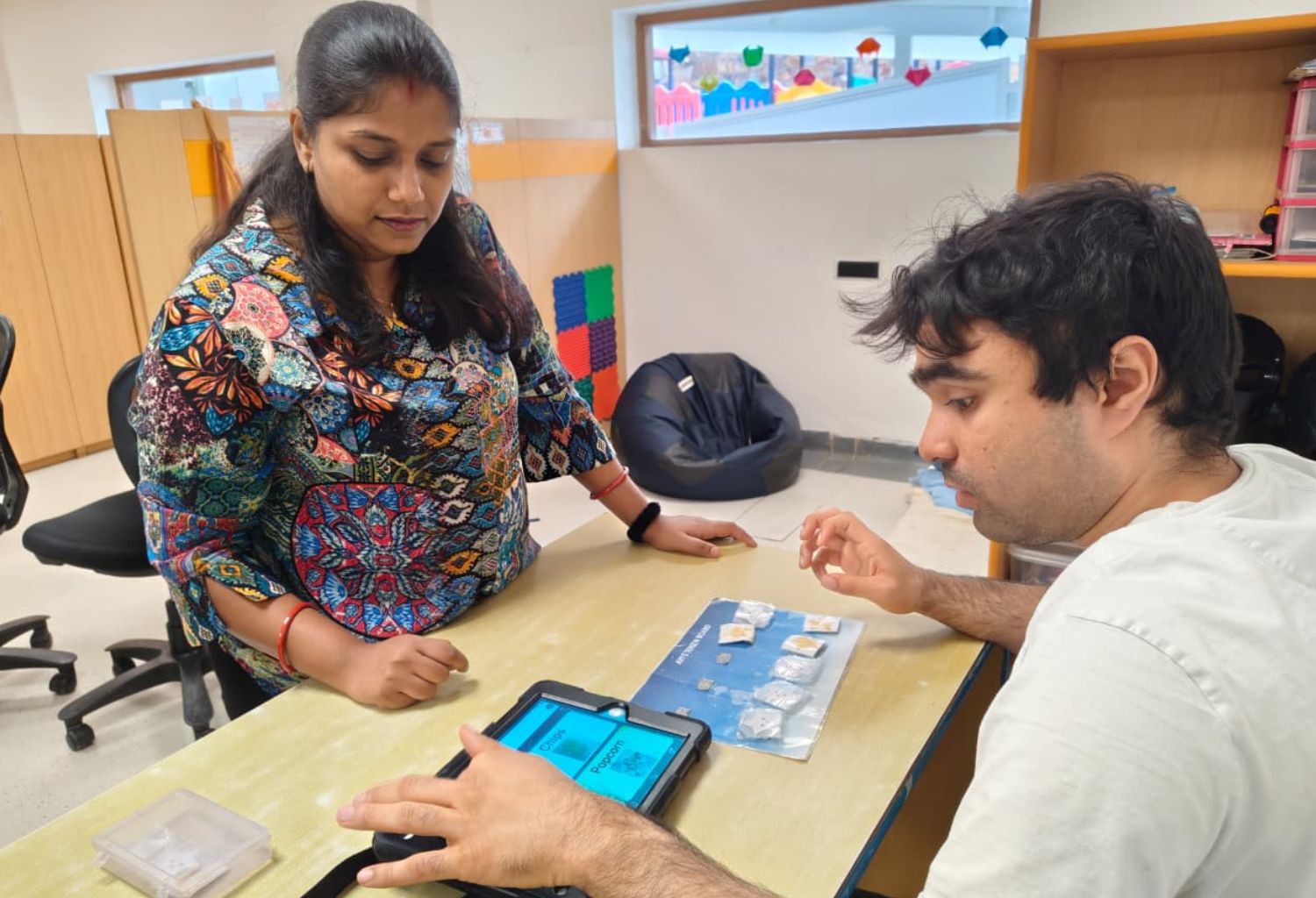
AAC includes communication methods beyond speech and is selected based on individual strengths:
- No-tech (gestures, manual signs)
- Low-tech (picture cards, communication books)
- High-tech (speech-generating devices, AAC apps)
AAC can be used either as a primary alternative means of communication or as a supportive tool to enhance speech and language development.AAC supports independence and does not always delay speech development. In many cases, it enhances overall language growth.
-
Receptive and Expressive Language Development
- Receptive Language (understanding): Following 1–3 step instructions, Identifying objects and concepts, Understanding classroom and community language, Processing questions and social cues.
- Expressive Language: Vocabulary expansion, Sentence construction and grammar, Verb tense and pronoun usage, Storytelling and academic language
- For older learners, goals may include workplace communication, problem-solving language, and independent self-advocacy.
Strategies include visual supports, demonstrations, simplified language, and contextual teaching.
-
Social Communication and Group Integration
Speech therapy includes structured group sessions embedded within classroom routines to promote turn-taking, topic maintenance, emotional understanding, flexible thinking, social boundaries, and appropriate peer and workplace interactions. These sessions support inclusion and encourage meaningful participation in school and community settings.
-
Classroom and Multidisciplinary Collaboration
SLPs collaborate with ABA therapists, Occupational therapists and families to ensure communication strategies are embedded throughout the day. Families receive guidance,visual supports, and structured carryover plans to promote consistency and generalization at home.
Why Choose ACE for Speech-Language Therapy?
At ACE, we focus on functional communication—not just speech production. We respect and support all forms of communication and individualize therapy across ages and abilities. Our approach thoughtfully integrates manual signs and picture communication, implements AAC confidently and appropriately, and addresses sensory and motor influences on communication. Therapy is embedded within natural routines, and progress is tracked through measurable, data-driven methods. Above all, we promote independence and selfadvocacy. Our approach is collaborative, respectful, and centered on empowering every learner to communicate confidently and meaningfully.
Frequently Asked Questions (FAQs)
1. Does my child need to speak verbally to benefit from therapy?
No. We support communication through speech, manual signs, picture communication, and AAC systems.
2. Will picture communication or signs delay speech?
No. Research shows alternative communication systems often support and enhance speech development.
3. Do you work with non-verbal individuals?
Yes. We build individualized communication systems using signs, pictures, and/or AAC devices based on each learner’s strengths.
4. When should speech therapy begin?
Early intervention is highly beneficial and can begin as soon as communication differences are identified.
5. Is therapy only one-on-one?
No. Communication skills are practiced in individual sessions, group settings, classrooms, and community environments.
6. How is progress measured?
Progress is tracked through structured data collection, independence levels, communication samples, and regular IEP reviews
7. Do parents receive guidance?
Yes. Parent collaboration is essential. We provide strategies, visuals, and home carryover plans.
8. Do you support teenagers and adults?
Yes. Therapy for older learners focuses on advanced language, workplace communication, community participation, and self-advocacy.
Empowering Every Word with Speech-Language Therapy
Personalized, evidence-based support to help individuals build skills, gain independence, and thrive with confidence.


