

How ABA Works at ACE?

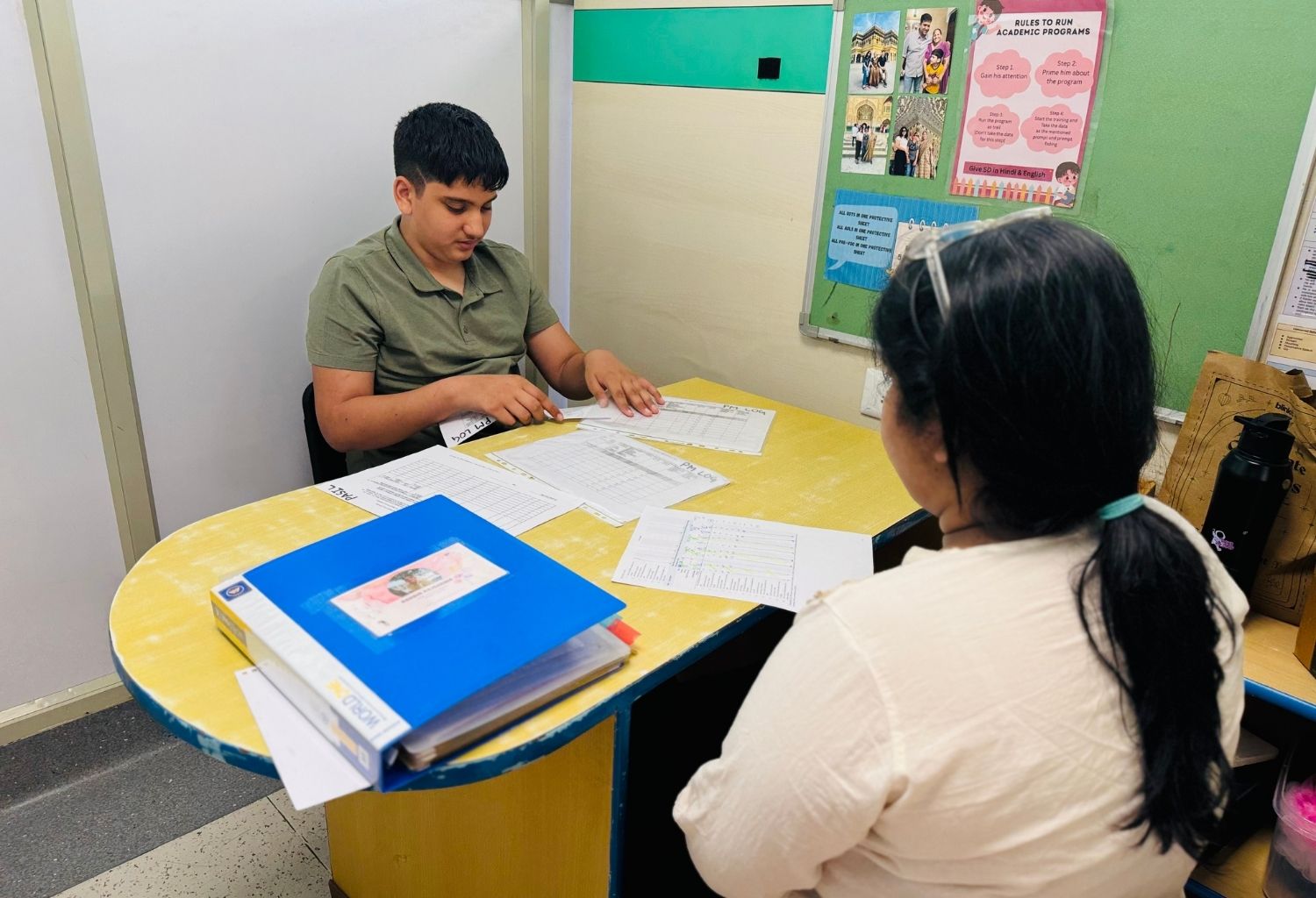
At ACE, every teaching decision is guided by objective data. Therapists systematically collect and review data during sessions to monitor progress, identify patterns, and make informed adjustments to programs. This ensures that intervention is not based on assumptions, but on measurable outcomes.

No two children are the same — and neither are their learning plans. Each child receives a personalized intervention plan developed after comprehensive assessments and team discussions. Programs are designed around the child’s strengths, current skill level, interests, sensory needs, and family priorities.

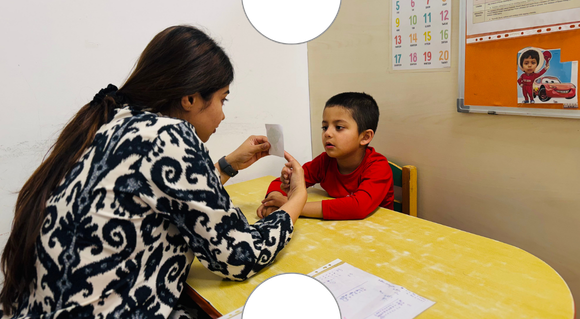
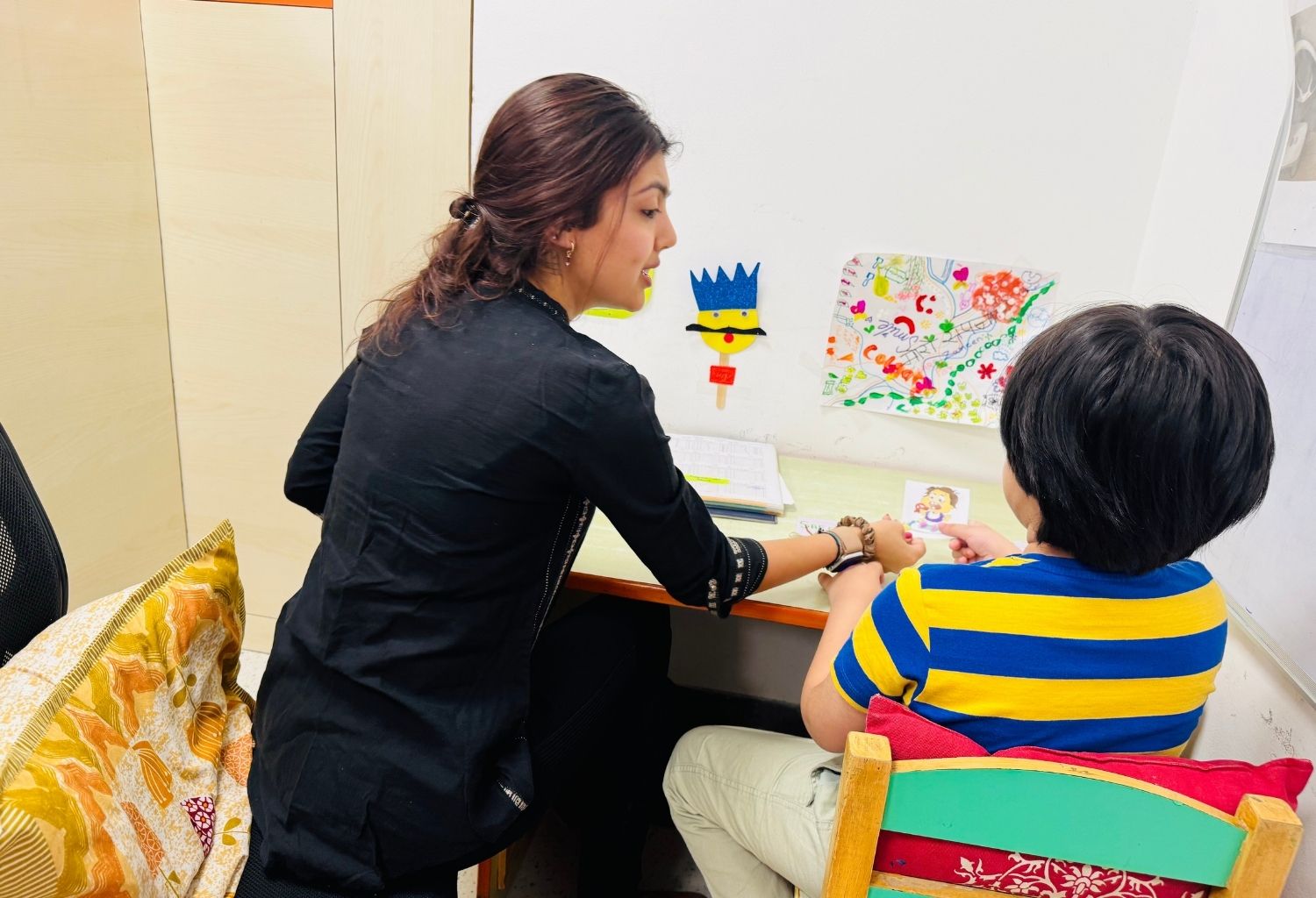
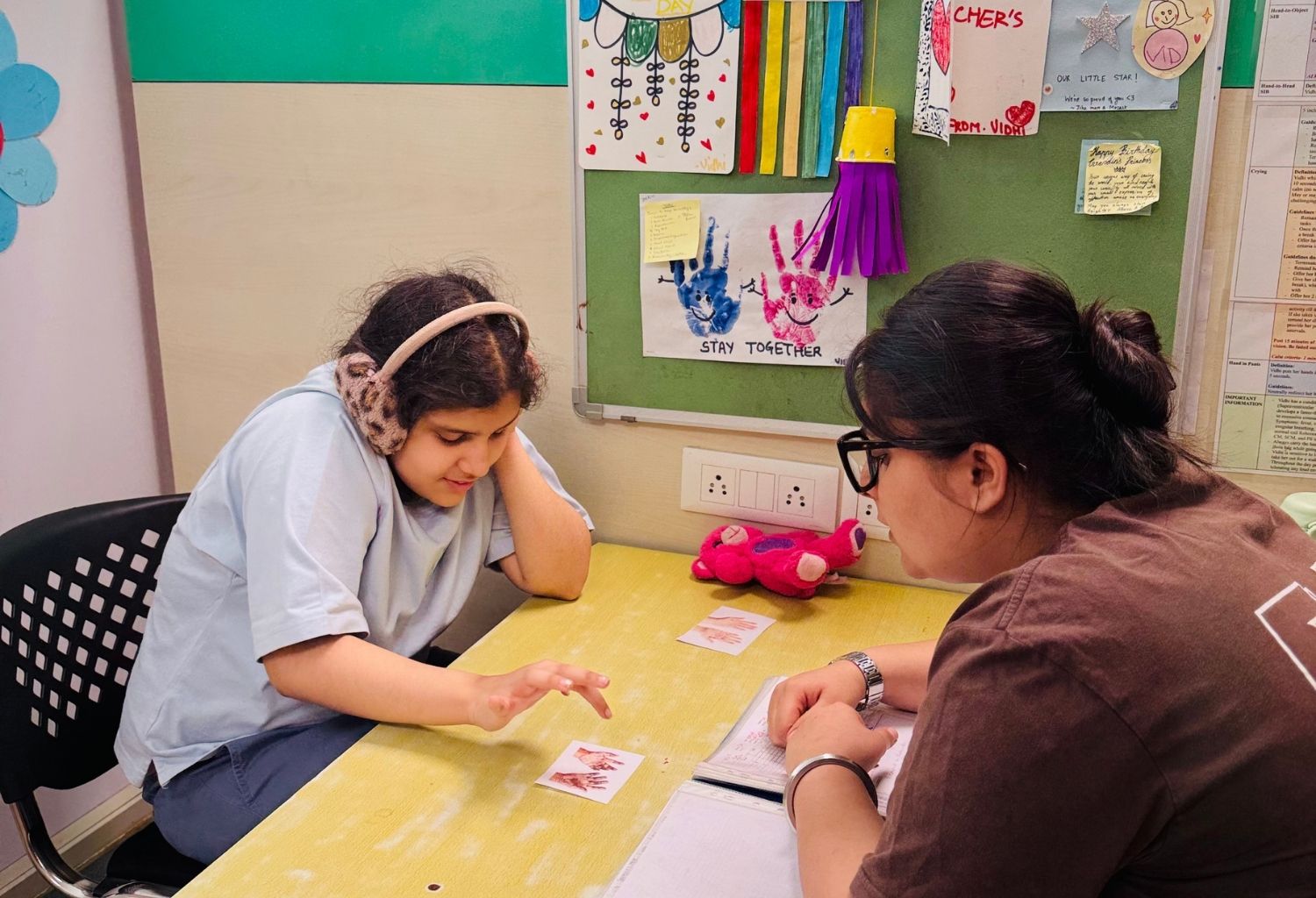
ABA breaks down complex skills into smaller, manageable steps. Through structured teaching strategies such as prompting, reinforcement, children gradually acquire new skills. As mastery develops, prompts are systematically faded to promote independence and skills are practiced in everyday situations to
support generalization.

We focus on skills that have real-life relevance. This includes communication (requesting, answering questions, expressing feelings), social interaction, play skills, academic readiness, daily living skills, and emotional regulation. The aim is to help children participate more independently and confidently in school, home, and community environments.

Our work is guided by ethical ABA principles that prioritize dignity, safety, and respect. We focus on teaching alternative skills rather than simply reducing behaviours. Families are active partners in the process, which ensures a holistic approach. At ACE, we believe in empowering children while honouring their individuality and strengths.

Why Choose ACE?

At the Autism Centre for Excellence (ACE), ABA is not just a methodology — it is a commitment to ethical, individualized and meaningful intervention.

Individualised & Child-Centered

Every child receives a tailored intervention plan based on comprehensive assessments, team collaboration and family input.

Evidence-Based & Ethical Practice

Our programs are rooted in scientifically validated ABA principles and implemented with dignity, respect, and compassion.

Collaborative Team Approach

Our multidisciplinary team works closely with families, educators to ensure consistency and development across environments.

Data-Driven Decision Making

Progress is continuously monitored through objective data collection. This allows us to adjust strategies in real time and ensure measurable growth.

Focus on Inclusion

we actively work toward inclusion. Our goal is to equip children with skills needed to participate meaningfully in school and community settings.

Professional Support

Our team culture encourages continuous learning, collaboration and professional integrity — ensuring the highest standard of care for every child.

Frequently Asked Questions (FAQs)

1. What age group benefits from ABA?

ABA can benefit children across different age groups. Early intervention is highly effective; however, ABA principles can be applied at any stage of development to build communication, social, academic, and life skills.

No. While ABA helps address challenging behaviours, its primary focus is on teaching replacement skills — such as communication, emotional regulation, and independence, so that behaviours reduce naturally.

ABA is structured but flexible. Teaching strategies are adapted to the child’s learning style, interests, and motivation. Sessions often include play-based and natural learning opportunities.

Therapists collect data during sessions to track skill acquisition and behaviour patterns. This ensures intervention remains objective and allows programs to be adjusted based on progress.

Parents are key partners in the intervention process. We provide regular updates, training and collaboration opportunities to help generalize skills across home and school settings.

Yes. One of the core goals of ABA at ACE is to build functional skills that enable children to participate confidently in inclusive educational and social environments.

Empowering Every Step with ABA Therapy

Personalized, evidence-based support to help individuals build skills, gain independence, and thrive with confidence.