

What is Community Skills?
Community Skills training at ACE is where learning steps out of the classroom and into the real world. It is a structured, goal-oriented program that prepares individuals with autism to navigate everyday environments safely, confidently, and independently. While therapy rooms build foundational skills, true independence is achieved when those skills translate into real-life situations — crossing a road safely, ordering food at a café, navigating the community, purchasing groceries, or reaching a workplace on time.
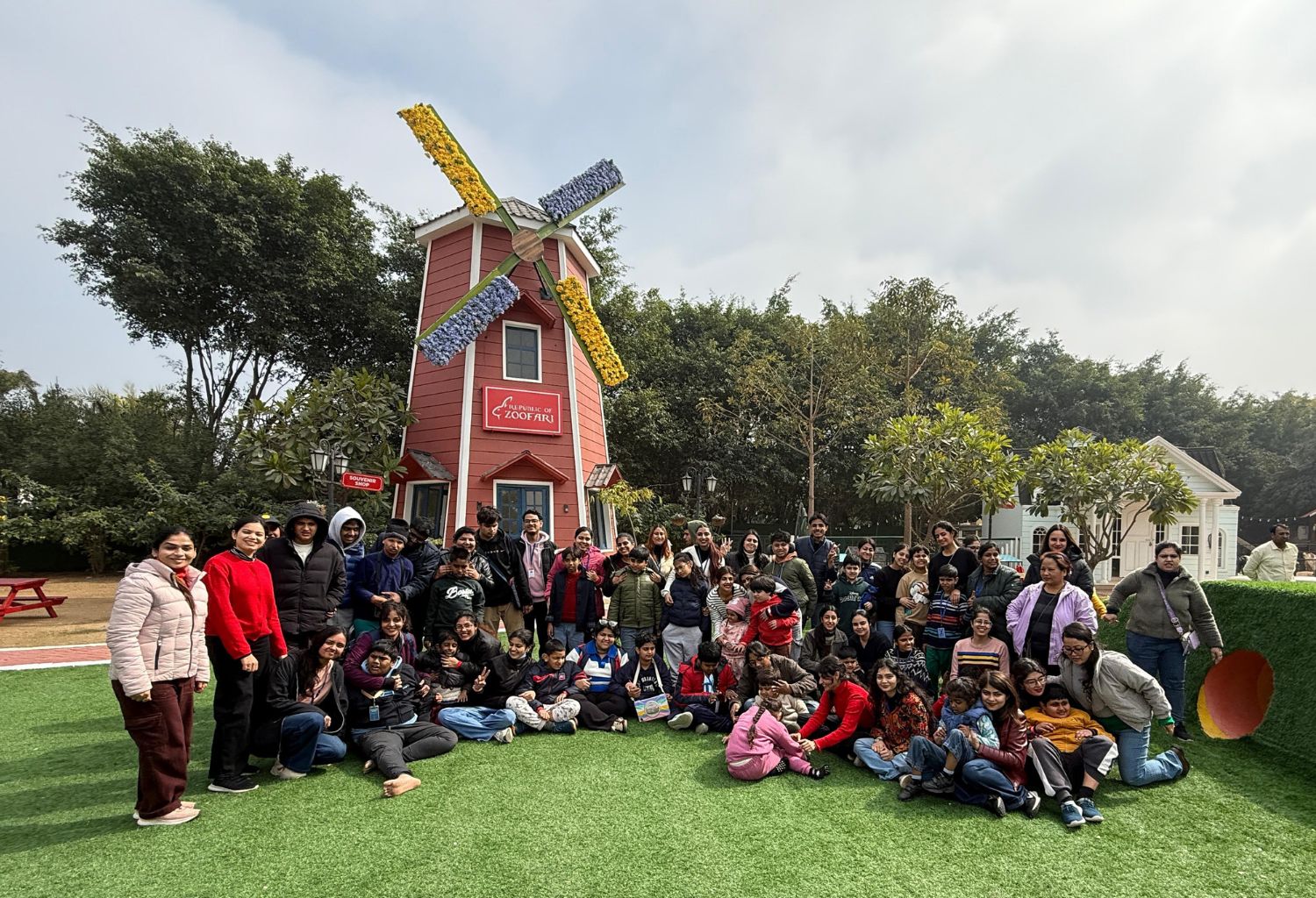
Our Community Skills program integrates vocational outings, leisure experiences, and structured real-world learning.
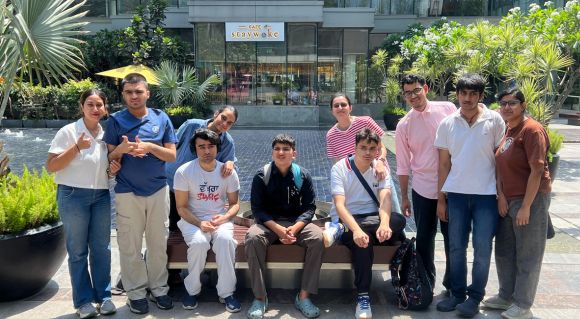
Students practice workplace readiness in authentic settings, explore community spaces such as parks and markets with guided support, and learn essential functional skills like using zebra crossings, understanding traffic signals, handling money, using mobile phones for navigation, and responding appropriately in public situations. The focus is not merely exposure, but competence — building the confidence and capability required for meaningful participation in society.
At its core, Community Skills training is about empowerment. It bridges the gap between ability and opportunity, ensuring that individuals are not just prepared for structured environments, but for life itself.



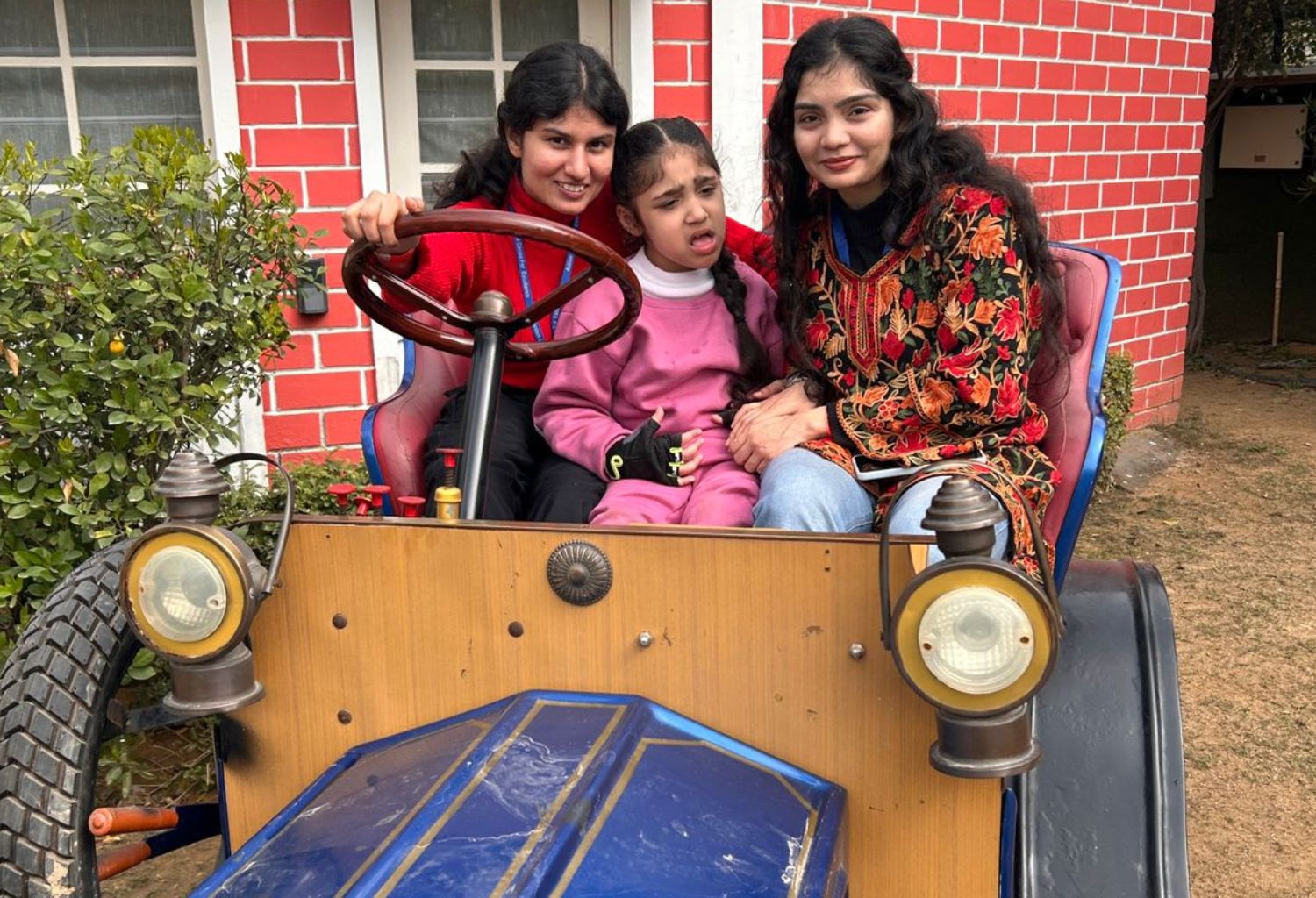
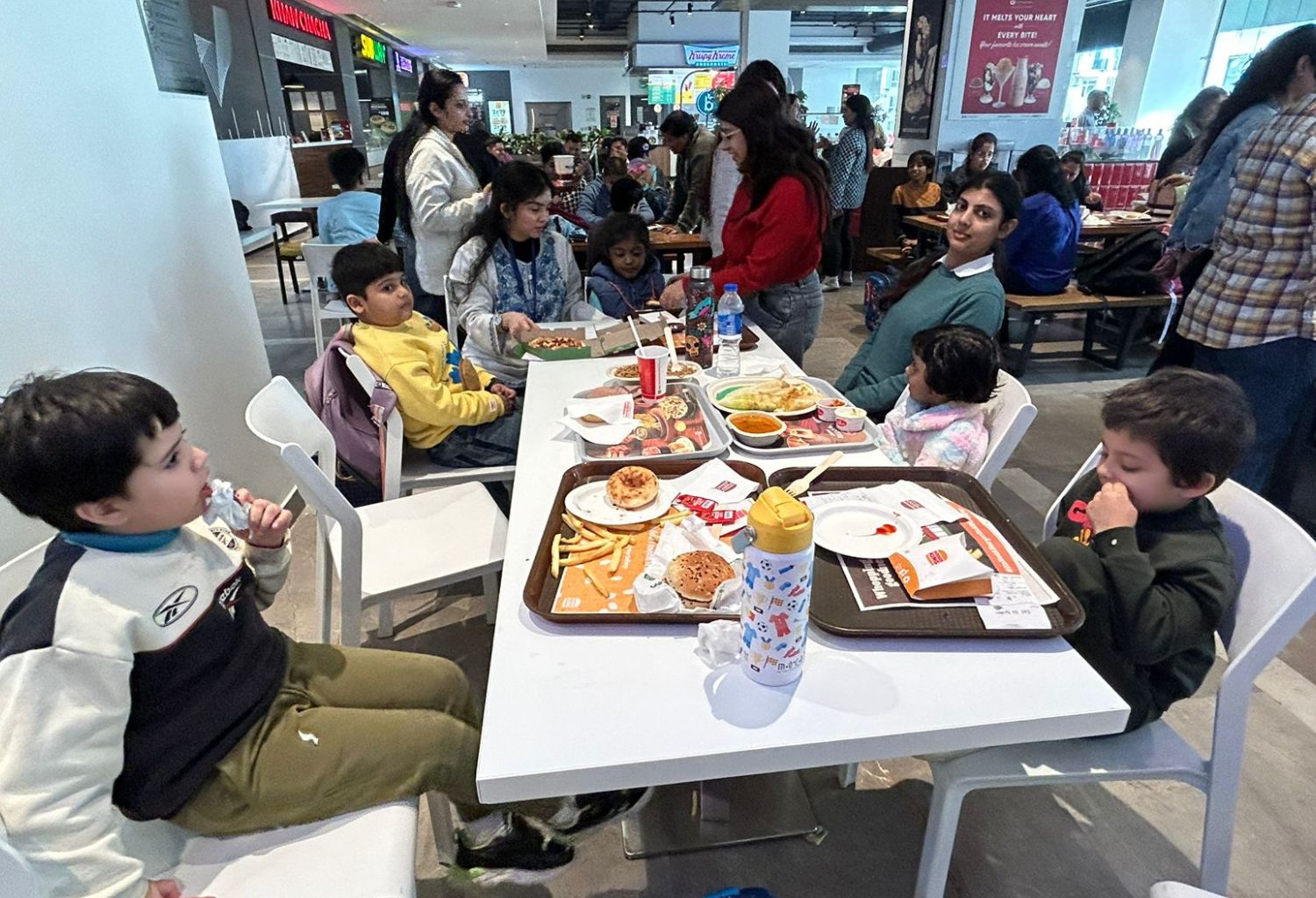
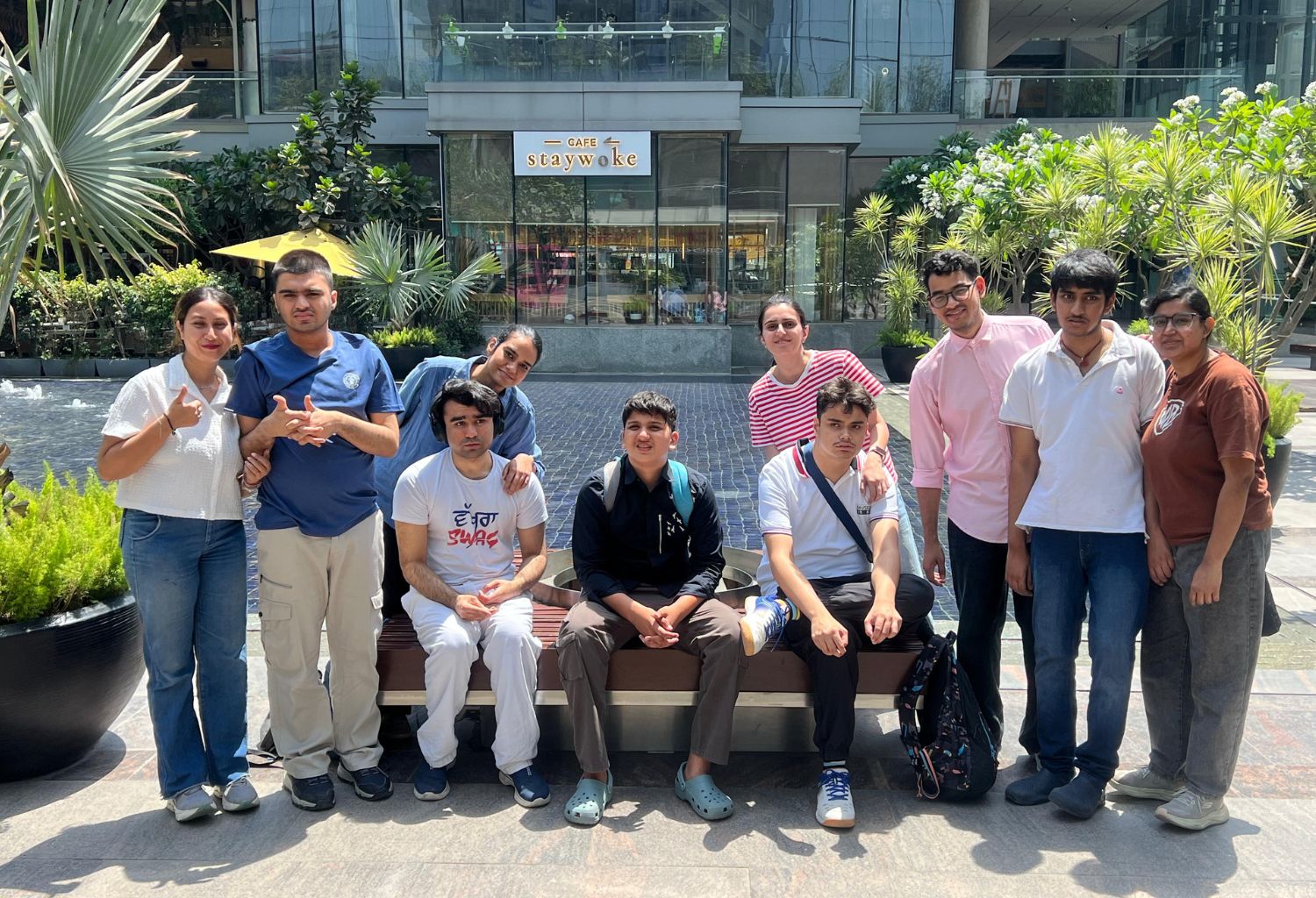
How do we practice Community Skills at ACE?
At ACE, community training is intentional, systematic, and individualized. We begin by understanding each learner’s current level of independence, communication skills, safety awareness, and sensory profile. From there, we design personalised goals that are practical and meaningful — whether it is learning to wait in a queue, navigating from one destination to another, making a purchase within a set budget, or following multi-step directions in a workplace setting.
Before entering the community, skills are carefully broken down and taught in structured settings within the centre. Students engage in role-play, mock setups, visual learning, and repeated practice so that they feel prepared rather than overwhelmed. For example, a learner may practice the “Stop–Look–Listen–Think” sequence multiple times before using an actual zebra crossing. Similarly, simulated grocery shopping may precede a real supermarket visit.
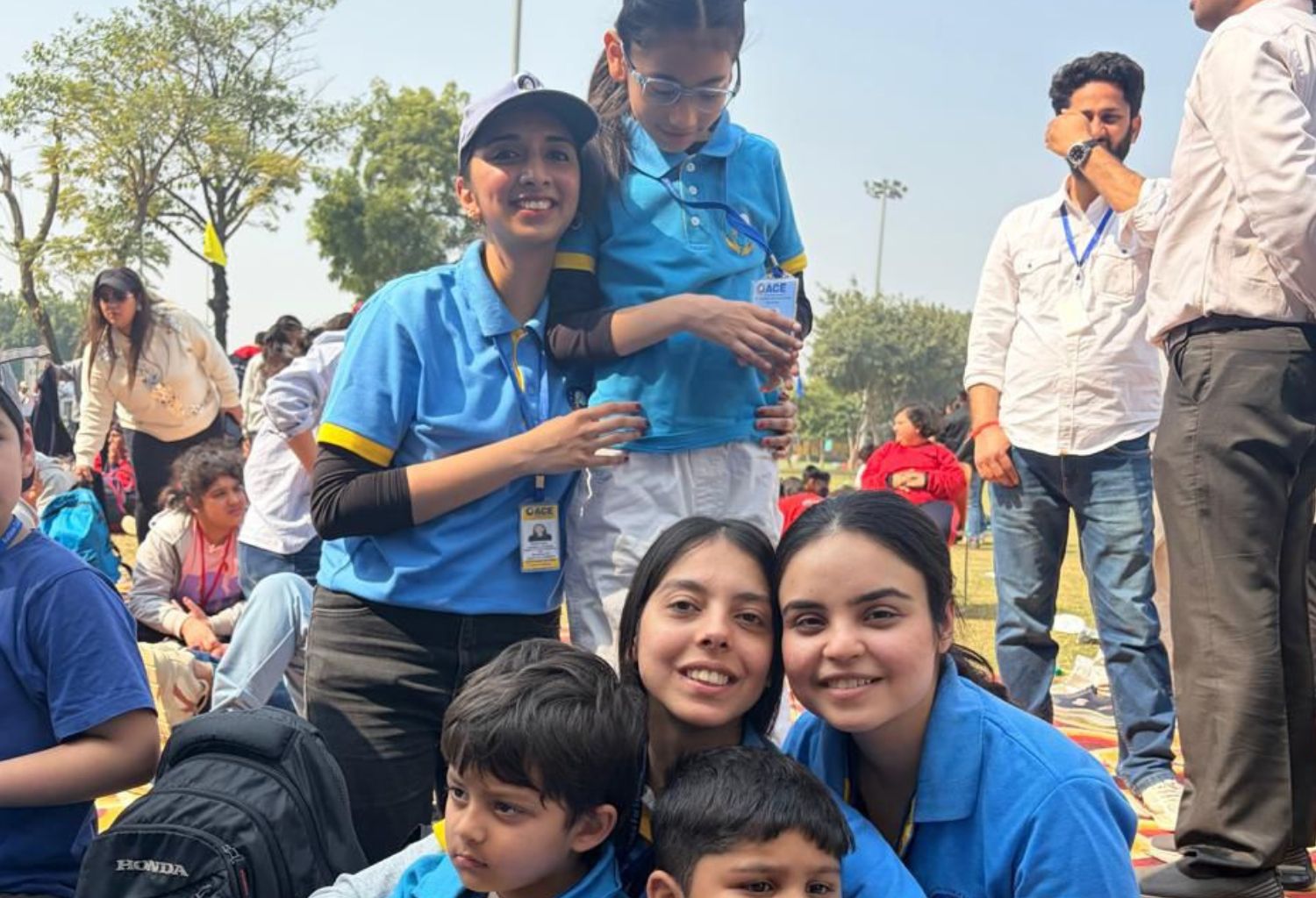
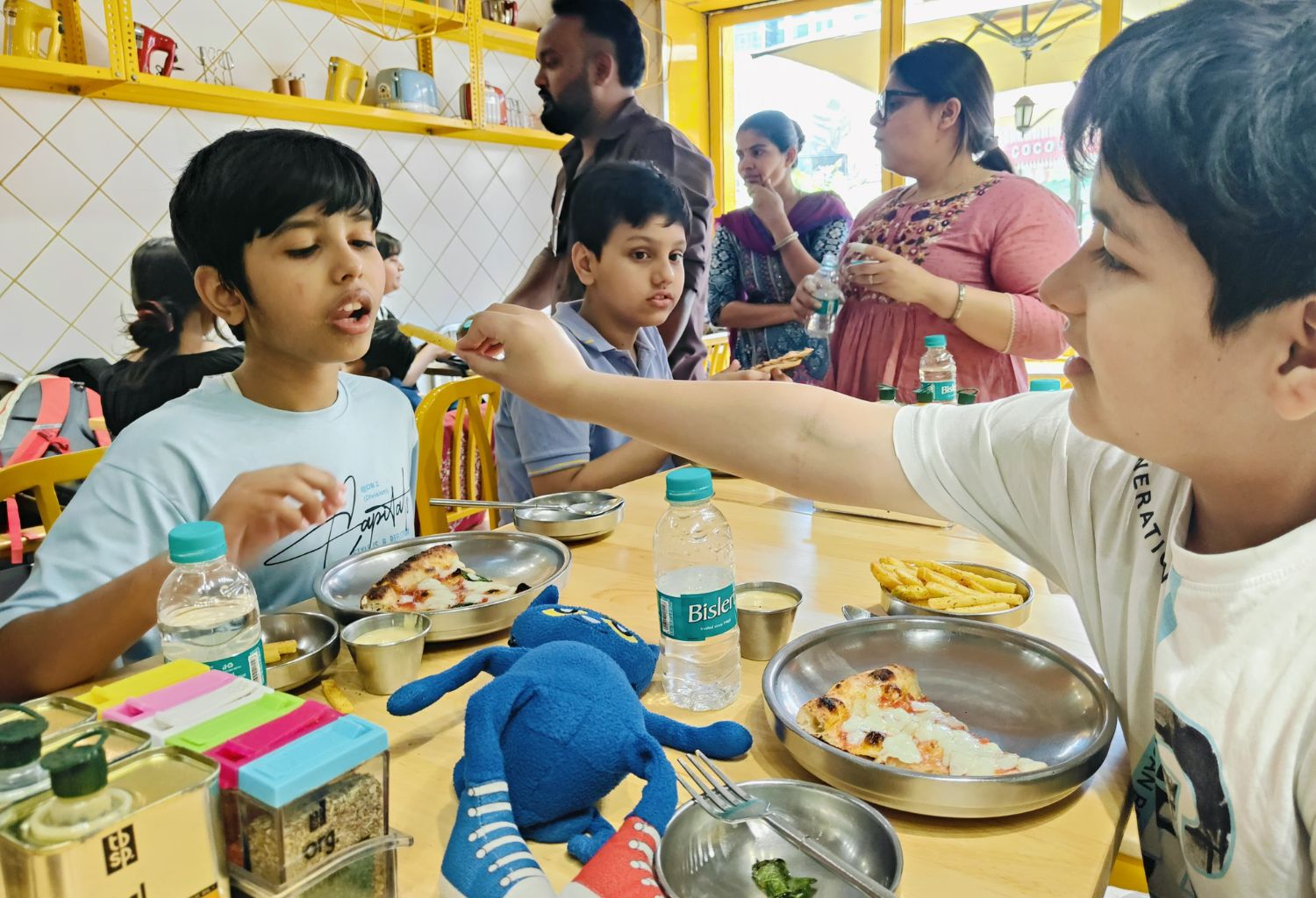
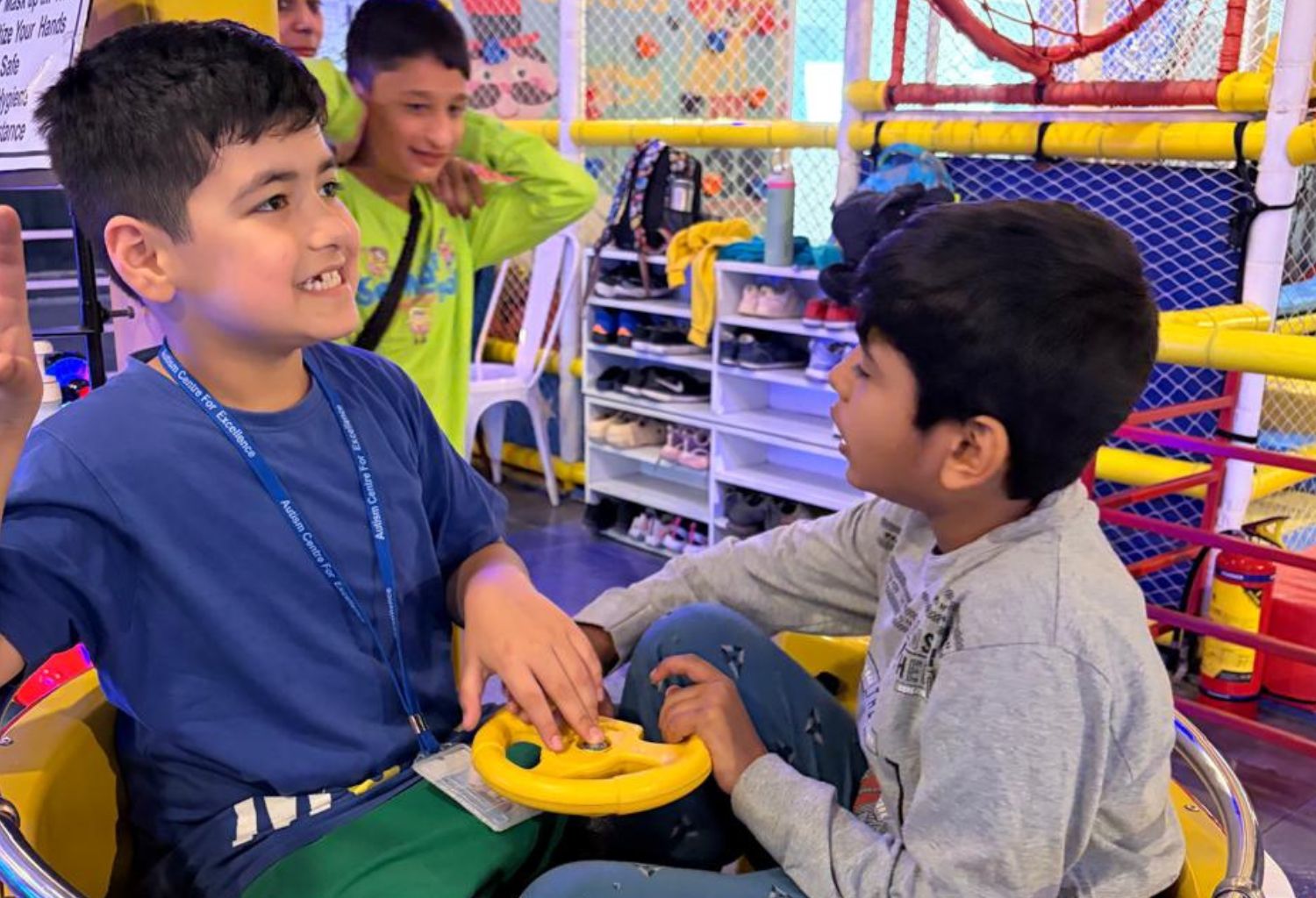
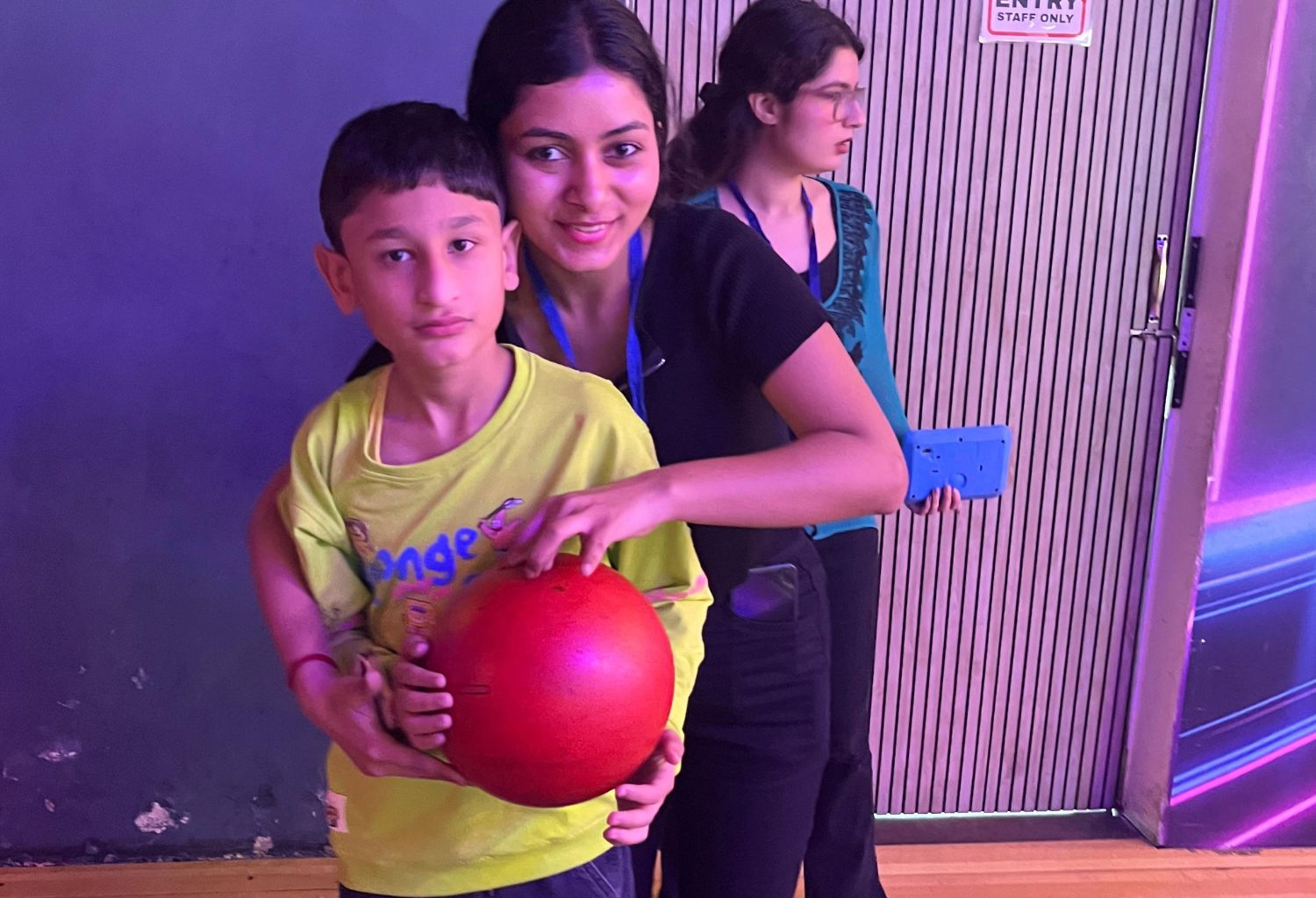
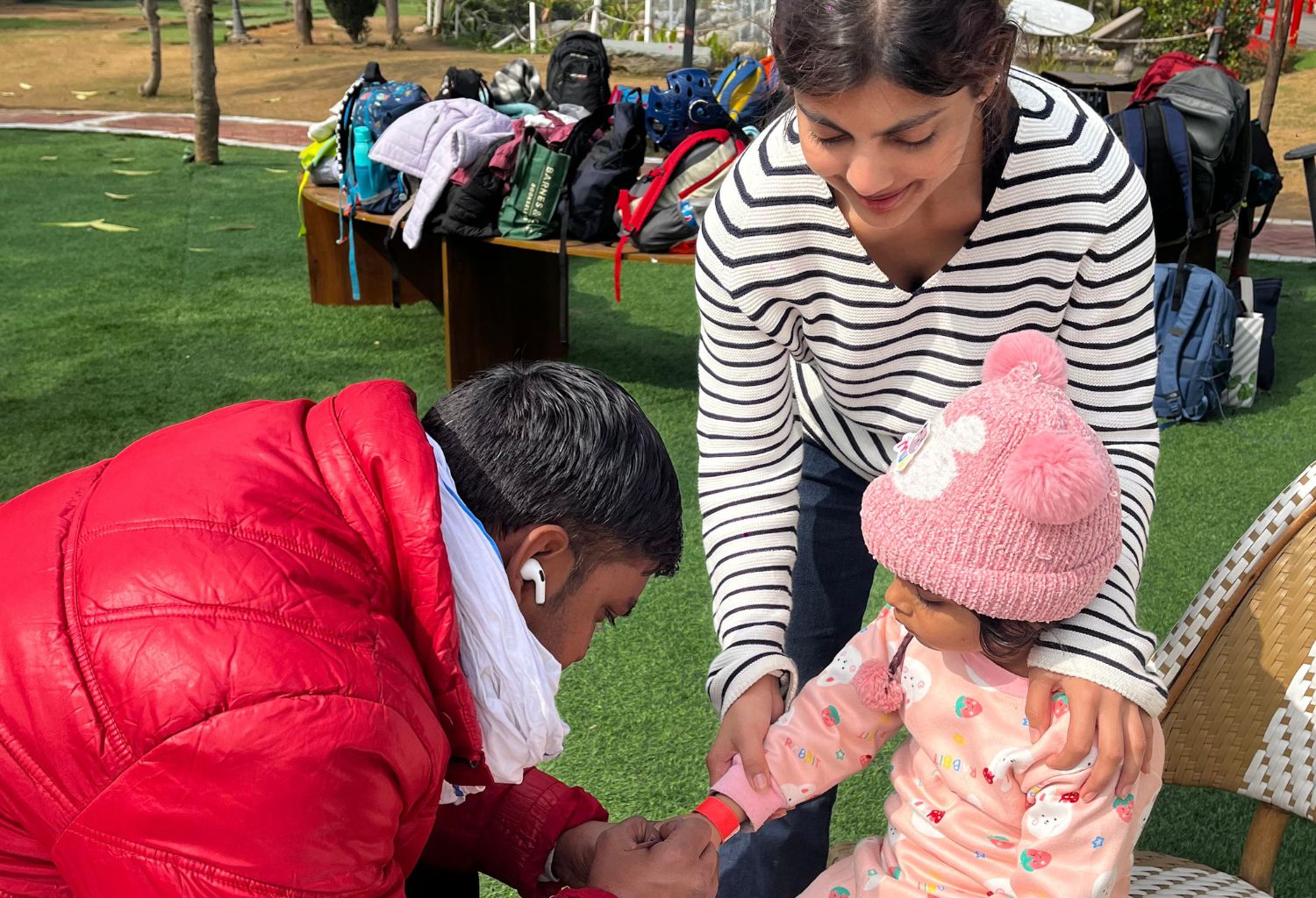
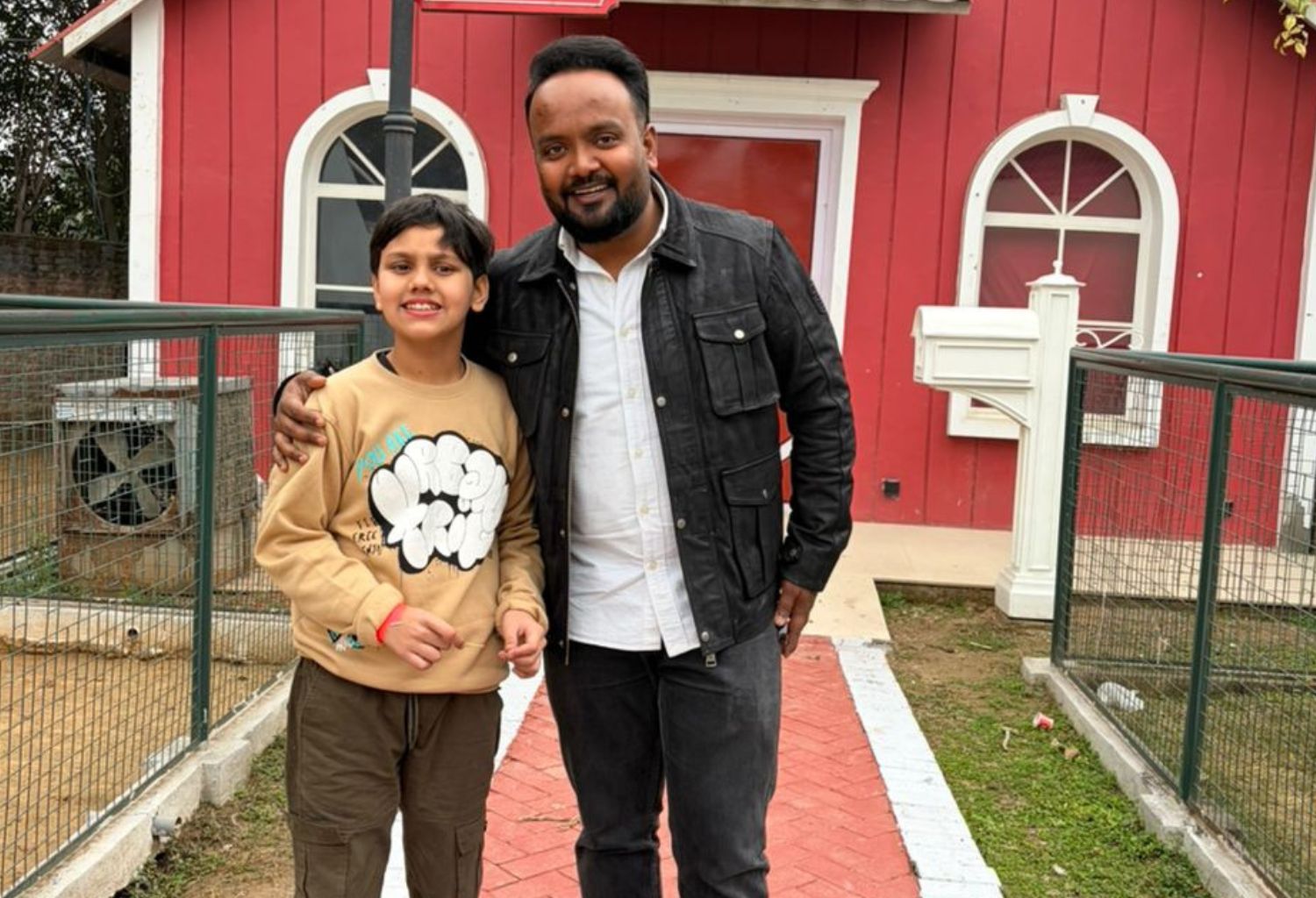
When students are ready, supervised outings are conducted with trained therapists who provide structured guidance and gradually fade prompts to encourage independence. Vocational outings allow learners to practice work behaviours, task completion, following instructions, and time management in authentic settings. Leisure outings focus on social understanding, self-regulation, waiting appropriately, managing money, and engaging meaningfully in community spaces.
Technology is also integrated thoughtfully. Learners are taught how to use maps for navigation, read transport routes, make safe digital transactions, and contact caregivers if needed. Every outing is goal-driven, documented, and reviewed. Progress is tracked, and parents are actively involved to ensure that skills generalize across environments.
Community Skills training at ACE is not a field trip — it is structured, data-based learning in real-world contexts.
Why choose ACE for Community Skills?
ACE stands apart because of its evidence-based, safety-first, and dignity-driven approach. Our program is rooted in Applied Behavior Analysis (ABA) principles, ensuring that every skill taught is measurable, meaningful, and systematically progressed. We do not believe in random exposure to the community; we believe in readiness, preparation, and gradual independence.
Safety is paramount in everything we do. Each outing is carefully planned, risk-assessed, and supervised with appropriate staff ratios. Students are explicitly taught stranger awareness, road safety, emergency responses, and situational judgment, empowering them to navigate the world with awareness rather than fear.
What makes ACE truly distinctive is our integration of vocational vision within community training. As a centre committed to pre-vocational and vocational excellence, we align community skills with long-term independence and employability goals. Whether it is a young child learning foundational safety skills, a teenager mastering public transport navigation, or a young adult preparing for supported employment, each plan is age-appropriate and future-focused.
Above all, we believe that inclusion is not symbolic — it is practical. True inclusion happens when individuals can confidently participate in everyday life. At ACE, we equip them with the tools to do exactly that.
Frequently Asked Questions (FAQs)
1. At what age can Community Skills training begin?
Community Skills training can begin as soon as a child demonstrates readiness to engage with the outside environment. Even young children can start with foundational safety behaviours such as walking beside an adult, stopping at signals, or responding to instructions in public places. As learners grow and their skills develop, the complexity of community goals gradually increases. Older students may work on navigating public spaces independently, using transportation, managing money, or preparing for workplace environments.
2. Is it safe for students to participate in community outings?
Yes, safety is a top priority at ACE. Every outing is carefully planned and supervised by trained therapists. Prior to visits, risk assessments are conducted and clear safety protocols are put in place. Staff-to-student ratios are maintained to ensure close supervision, and learners are explicitly taught essential safety skills such as road safety, stranger awareness, and how to seek help when needed. Preparation within the centre always takes place before practicing skills in real community settings.
3. What kinds of community places do students visit during training?
Community training may include visits to a wide range of everyday environments such as parks, markets, cafés, grocery stores, playzones, movie theatres and workplaces. The choice of location depends on the learner’s goals, age, and readiness. These outings provide valuable opportunities to practice social communication, waiting in queues, handling money, understanding public behaviour, and navigating real-world environments.
4. My child has sensory sensitivities. Can they still participate in community activities?
Absolutely. Many individuals with autism experience sensory sensitivities, and our team plans outings with this in mind. We begin with quieter, low-stimulation environments and gradually increase exposure as the learner becomes more comfortable. Visual supports, structured preparation, and sensory regulation strategies are used to help students manage new environments successfully.
5. What happens if my child feels anxious or refuses to participate during an outing?
It is completely natural for some learners to feel uncertain in new environments. Our therapists prepare students beforehand through visual schedules, social stories, role-play, and gradual exposure. If a learner feels overwhelmed, the team adapts the activity, reduces demands, and supports regulation before continuing. The focus is always on building comfort and confidence rather than forcing participation.
6. How is my child’s progress measured during Community Skills training?
Community Skills training at ACE is goal-driven and data-based. Each learner works toward specific functional goals such as completing a purchase, waiting appropriately in public settings, navigating a route, or following safety instructions. Therapists track levels of independence, prompt requirements, task completion, and behavioural regulation during each outing. This allows the team to monitor progress systematically and adjust goals as students develop greater independence.
6. How is my child’s progress measured during Community Skills training?
Community Skills training at ACE is goal-driven and data-based. Each learner works toward specific functional goals such as completing a purchase, waiting appropriately in public settings, navigating a route, or following safety instructions. Therapists track levels of independence, prompt requirements, task completion, and behavioural regulation during each outing. This allows the team to monitor progress systematically and adjust goals as students develop greater independence.
7. How do Community Skills benefit my child in the long run?
Community Skills training helps individuals develop the confidence and practical abilities needed to function more independently in everyday life. Over time, these skills support greater safety awareness, improved social participation, and increased readiness for vocational opportunities. Most importantly, they empower individuals with autism to engage with the world around them with confidence, dignity, and a greater sense of independence.
8. How are parents involved in the Community Skills program?
Parents play an important role in reinforcing community skills outside the centre. The ACE team shares strategies and progress updates with families so that skills practiced during therapy can also be encouraged during everyday routines such as grocery shopping, travel, or family outings. This collaboration helps ensure that skills generalise across different environments and situations.
9. What are vocational outings and how do they help my child?
Vocational outings involve structured visits to real workplaces and community businesses where students can observe and practice work-related behaviours in authentic environments. These may include visiting cafés, supermarkets, offices, libraries, or other community spaces. During these outings, learners practice skills such as following instructions, completing tasks, interacting appropriately with supervisors or staff, managing time, and maintaining workplace behaviour. Vocational exposure helps students understand how work environments function and prepares them gradually for future employment opportunities.
10. How do Community Skills support future vocational goals?
Community competence is an essential foundation for vocational success. Before an individual can function effectively in a workplace, they need to navigate public environments, follow schedules, communicate appropriately with others, and manage everyday tasks independently. Community Skills training helps build these foundational abilities, making the transition to pre-vocational training, internships, or supported employment much smoother and more successful.
11. Will my child be able to participate independently in the community?
Independence develops gradually, and our goal is always to move learners toward greater autonomy at a pace that is safe and achievable. Initially, students participate in community activities with close therapist support and structured guidance. As they gain confidence and competence, prompts are systematically reduced and independence is encouraged. Over time, many learners are able to manage tasks such as making purchases, navigating familiar environments, or completing simple errands with minimal support.
Empowering Every Step with Community Skills
Personalized, evidence-based support to help individuals build skills, gain independence, and thrive with confidence.


