

What is Activities of Daily Living (ADLs)?
Activities of Daily Living (ADLs) refer to the everyday self-care and functional life skills that individuals need to participate independently in home, school, and community environments. These skills form the foundation of personal autonomy and quality of life while promoting confidence, responsibility, and independence.
ADLs include basic routines such as eating, dressing, toileting, grooming, bathing, and managing personal belongings. As children grow older, ADL development also extends to more advanced skills like preparing simple meals, following hygiene routines independently, organizing school or work materials, and navigating community settings safely.

For individuals with autism, ADLs may require explicit teaching, structured practice, and supportive strategies due to challenges in communication, sensory processing, motor planning, flexibility, or understanding routines. Building these skills helps learners gain confidence, reduce dependence on caregivers, and increase meaningful participation across all stages of life
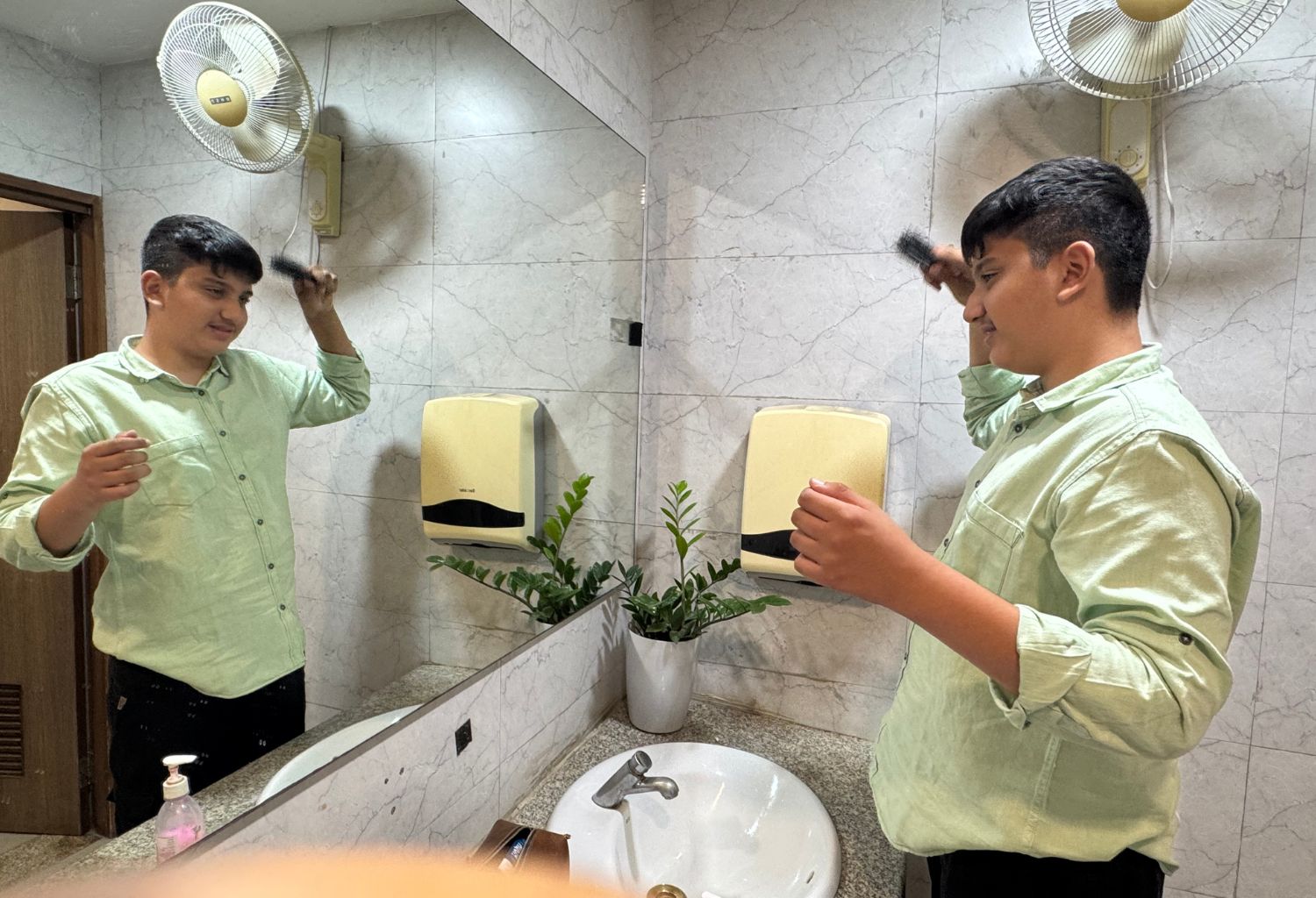
How do we do ADL training at ACE?
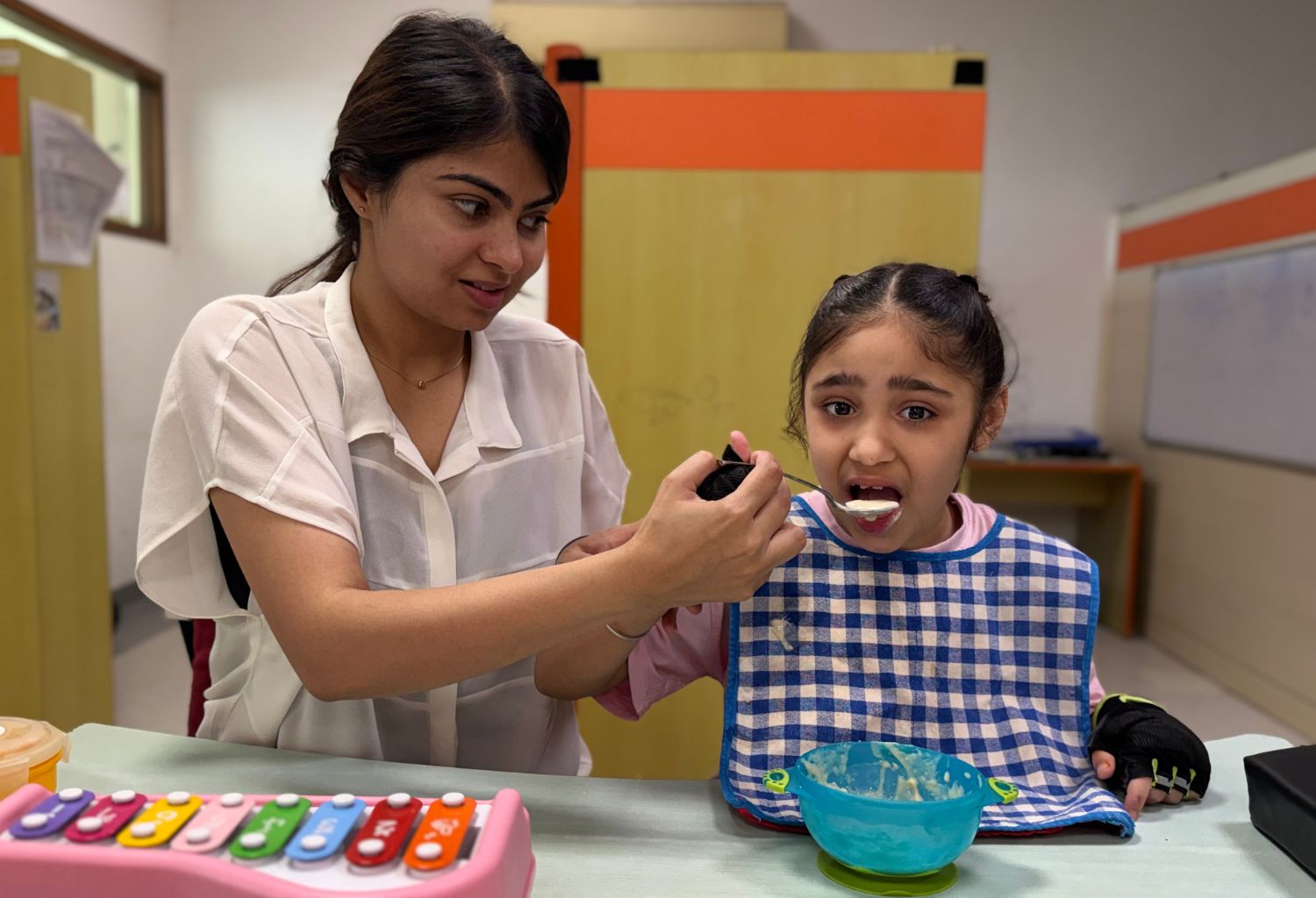
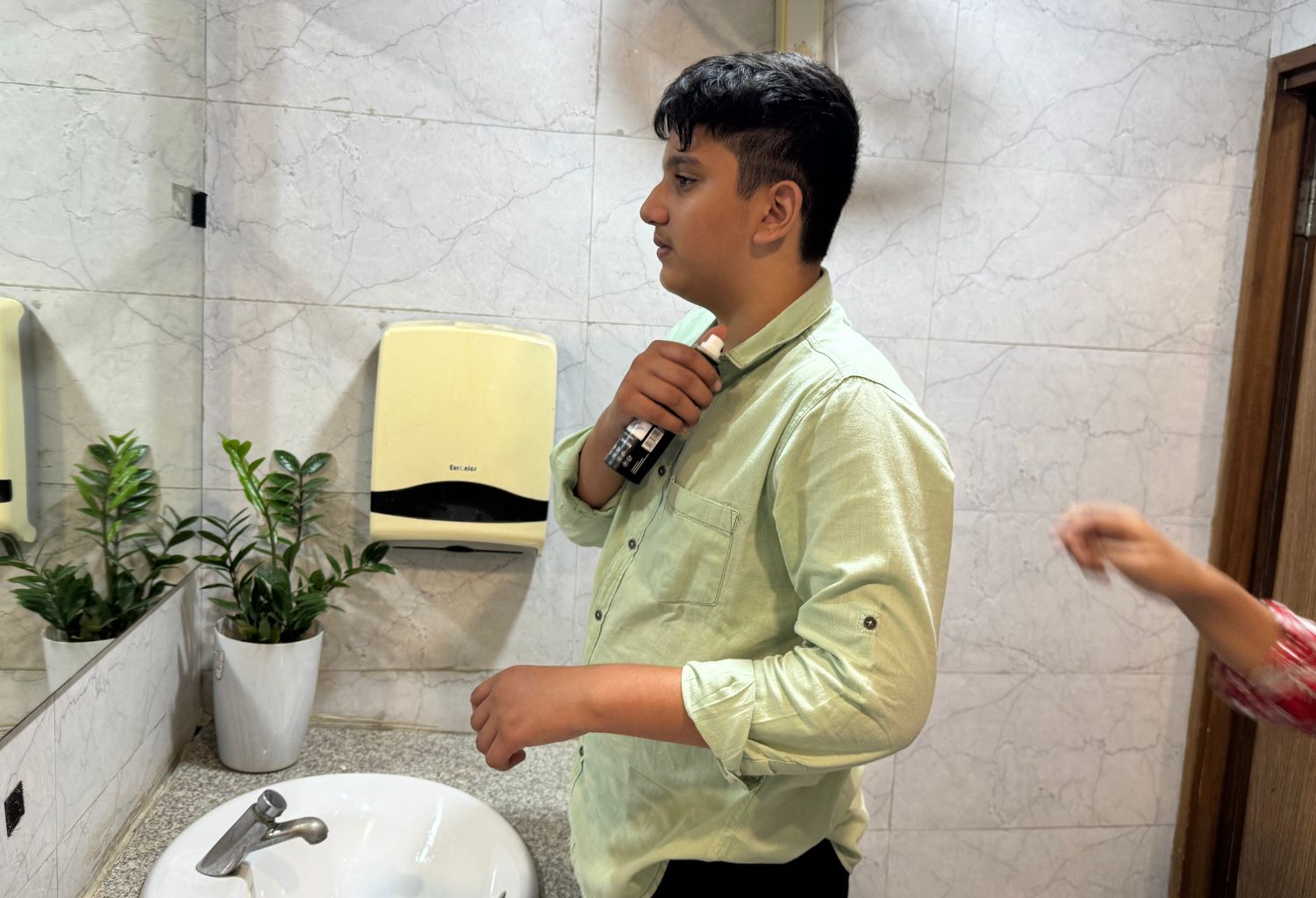
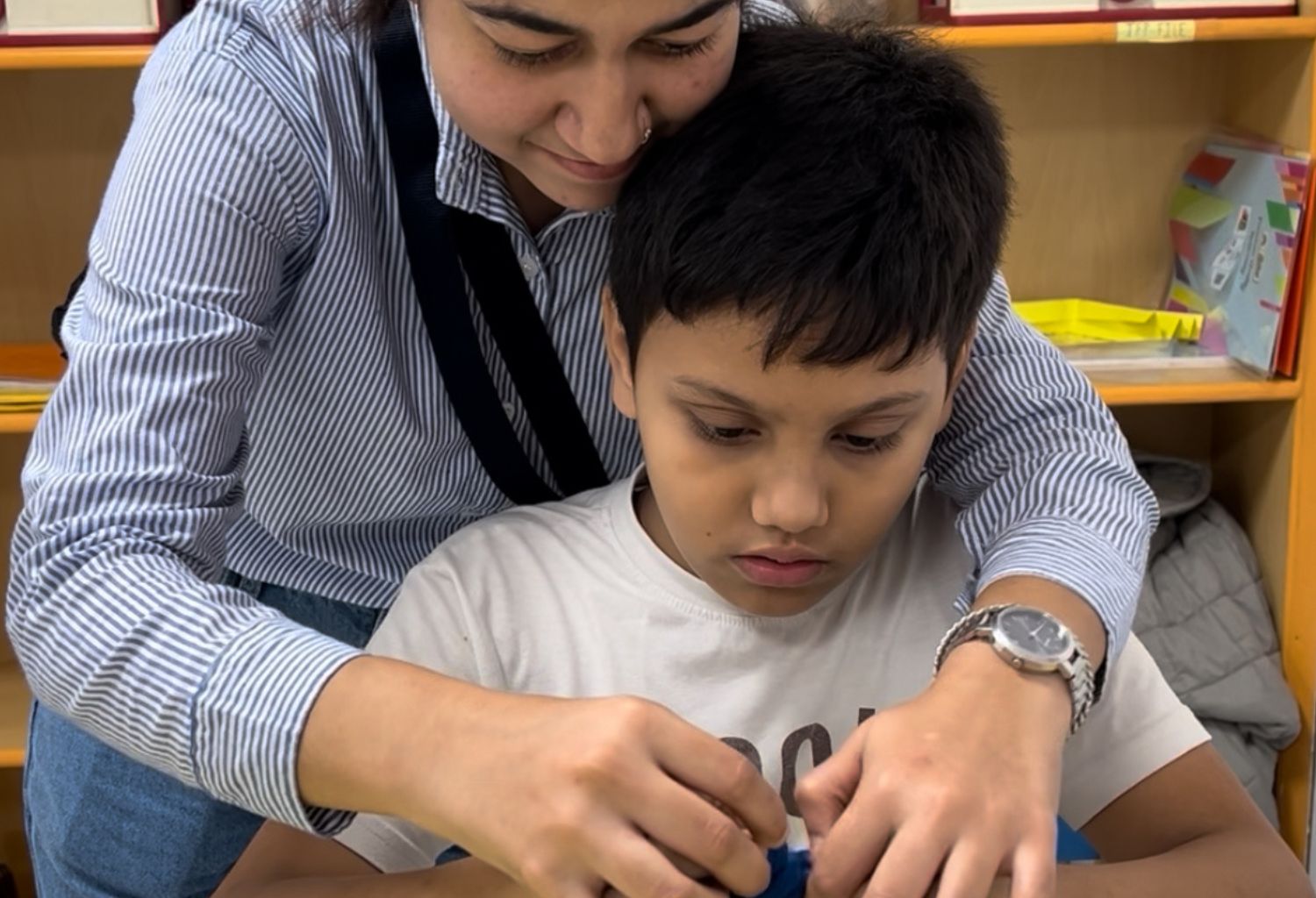
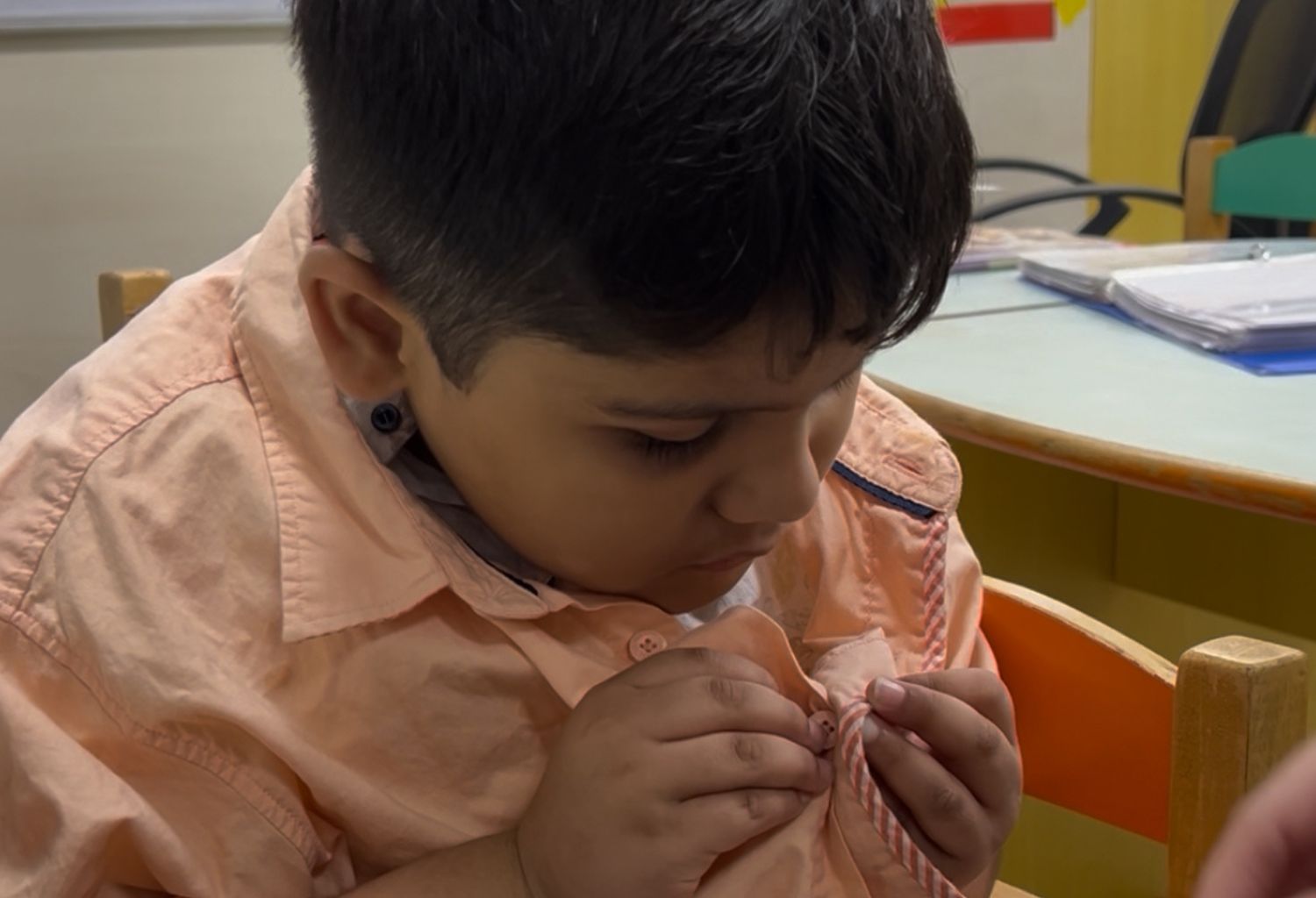
At ACE, ADL training is approached as a core part of building independence and functional life skills across all age groups in their Individualised Educational Plan. Each learner’s ADL goals are individualized based on their developmental level, current abilities, sensory needs, communication style, and family priorities.
We teach ADLs through structured and systematic methods such as task analysis (breaking a skill into smaller steps), prompting and prompt fading, visual supports, modelling, and positive reinforcement. Skills are practiced repeatedly in natural routines-during meal time (snack & lunch), bathroom routines, transitions, classroom activities, and community-based learning opportunities-so that learners can apply them meaningfully in real-life contexts
Our multidisciplinary team, including ABA therapists, occupational therapists, speech therapists, all works collaboratively to address underlying challenges such as motor planning, sensory sensitivities, communication barriers, or behavioural resistance that may impact self-care routines.
Importantly, ACE emphasizes generalisation and consistency. Families are actively involved through regular communication, home strategies, and carryover plans to ensure that ADL skills extend beyond the centre into the home and community, supporting long-term independence and confidence.
Why choose ACE for ADL development?
ACE focuses on building meaningful independence across all age groups. Our approach is functional, respectful, and tailored to each learner’s developmental level, sensory needs, and communication style. We ensure ADL training is integrated into daily routines so that learners gain confidence and real-life skills that improve quality of life.
Frequently Asked Questions (FAQs)
1. At what age do ADL goals begin at ACE?
ADL training begins as early as age 3, starting with foundational routines such as eating with support, basic toileting readiness, and simple dressing skills.
2. How are ADL goals adapted for teenagers and adults (20+)?
For older learners, we focus on advanced independence skills such as personal hygiene management, meal preparation, community participation, vocational readiness, and self-advocacy.
3. Do parents receive guidance for ADLs at home?
Yes, parent collaboration is key. We share strategies, visuals, parent training, and home plans to ensure consistency and faster progress.
4. What if my child resists self-care routines?
Resistance is common, especially when routines are new or sensory challenges are present. Our team uses gentle prompting, motivation-based strategies, and gradual desensitization to build cooperation and comfort.
5. How do you teach toileting skills at ACE?
Toileting programs are individualized and include readiness assessment, structured schedules,
reinforcement, communication supports, and close collaboration with families for consistency across environments.
6. Are ADLs taught only in therapy sessions?
No. ADLs are embedded throughout the day-in classrooms, transition times, snack/lunch routines, and community-based learning-so skills are practiced naturally and meaningfully.
7. How do you support learners with limited communication?
We incorporate AAC, visuals, gestures, and functional communication training so learners can express needs, make choices, and participate actively in self-care routines.
8. What role does sensory processing play in ADLs?
Sensory needs are carefully considered. For example, sensitivity to textures, water, or grooming tools may affect participation. Occupational Therapy support and sensory strategies are integrated into ADL programming.
9. How is progress measured in ADL goals?
Progress is tracked through data collection, task analyses, independence levels, and regular reviews. Goals are updated as learners gain mastery and move toward greater independence.
10. Can ADL training help with long-term independence?
Absolutely. ADLs are foundational life skills. Building independence in self-care improves confidence, reduces reliance on caregivers, and supports inclusion at home, school, and in the community.
11. Do you work on community living skills as well?
Yes. For adolescents and adults, ADL goals may extend to community routines such as using public restrooms, ordering food, shopping, handling money, and workplace readiness.
12. How can families support ADL learning outside ACE?
Families can support progress by maintaining consistent routines, using the same visuals or prompts, reinforcing independence, and communicating regularly with the ACE team.
Empowering Every Step with Activities of Daily Living (ADLs)
Personalized, evidence-based support to help individuals build skills, gain independence, and thrive with confidence.


