

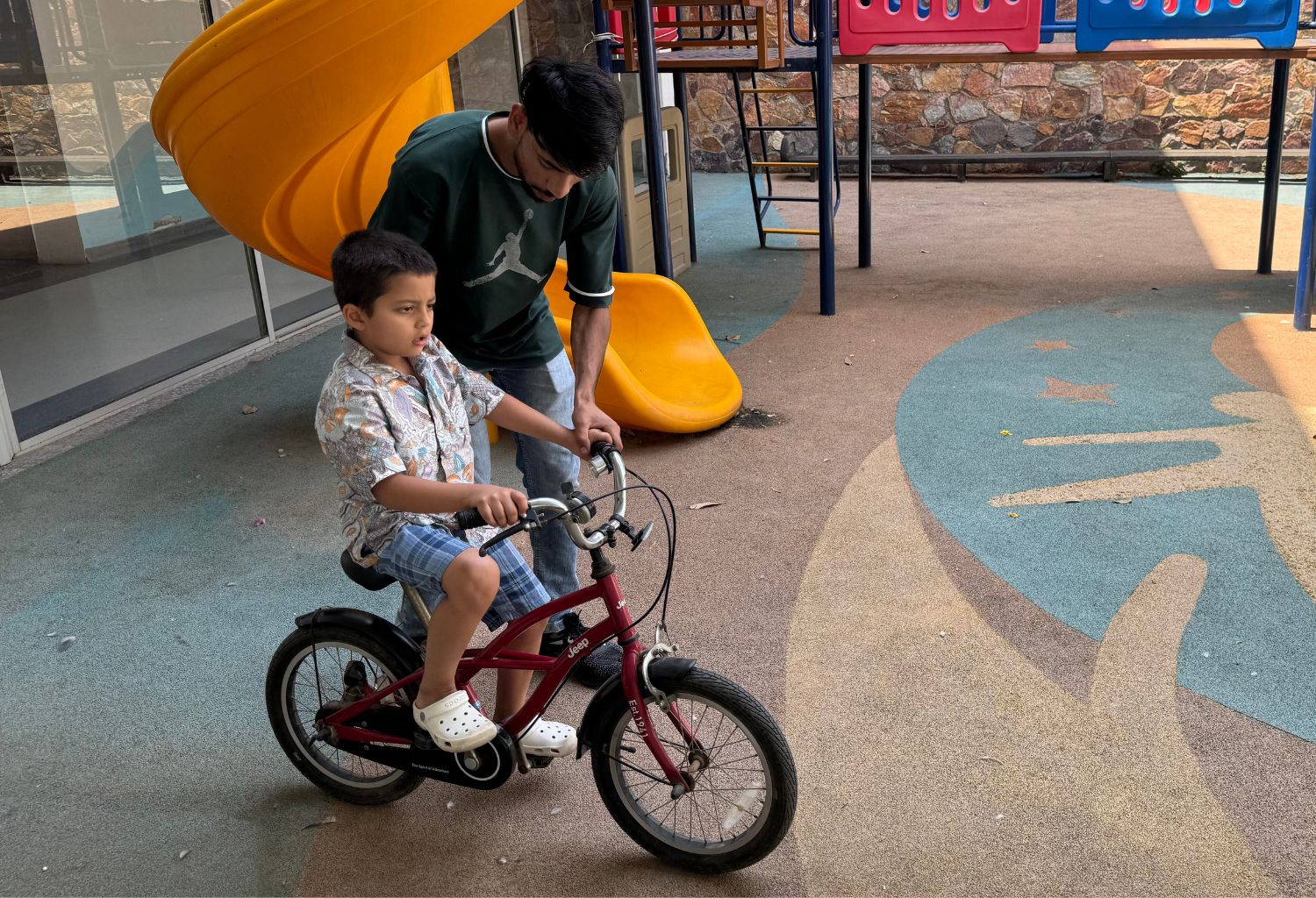

Personalised Therapy Plans
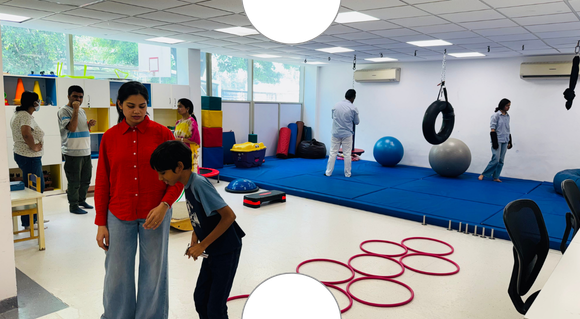
Each child receives an individualised OT program based on detailed assessments, targeting unique strengths, challenges, and functional developmental goals.

Sensory-First Approach
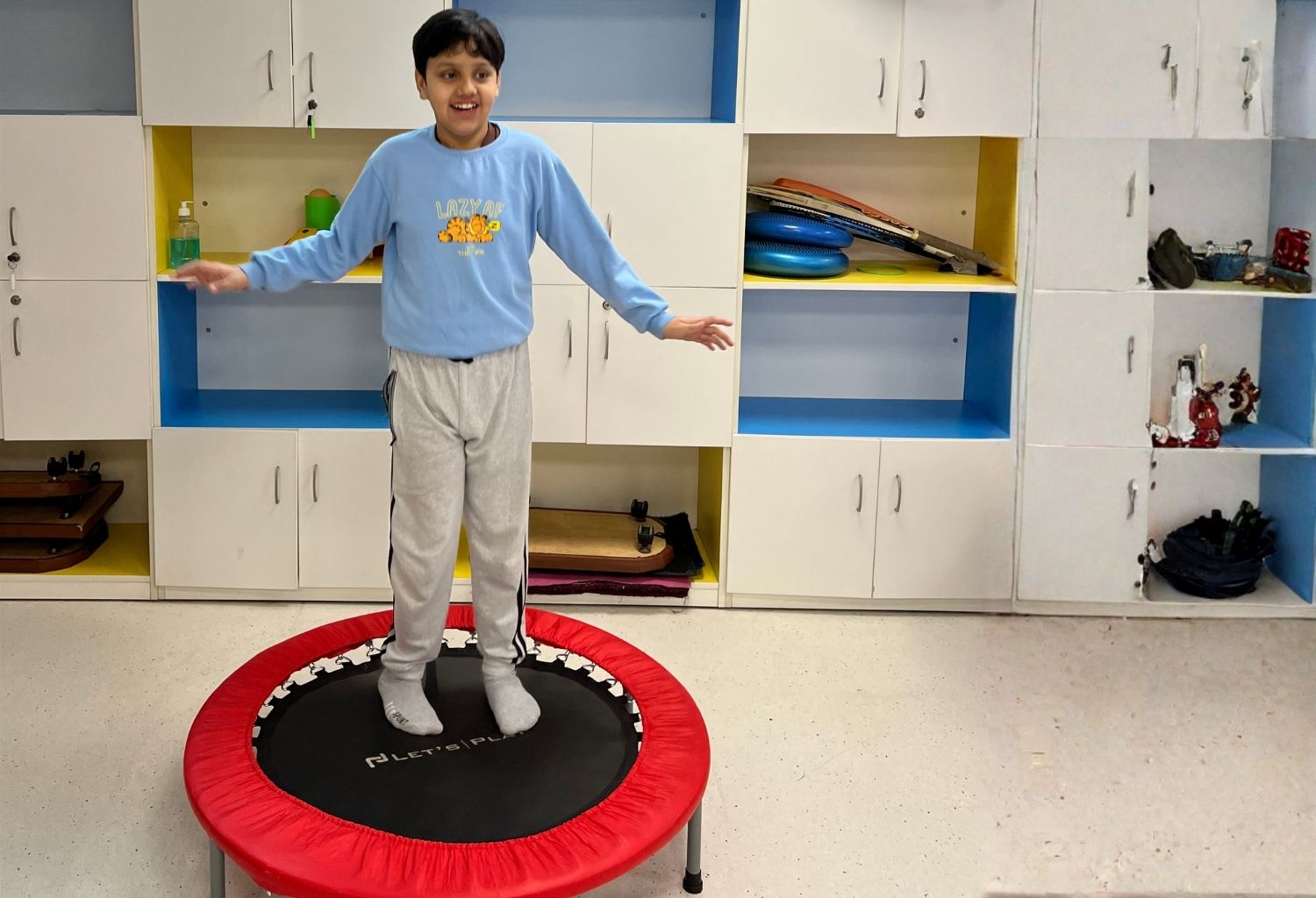
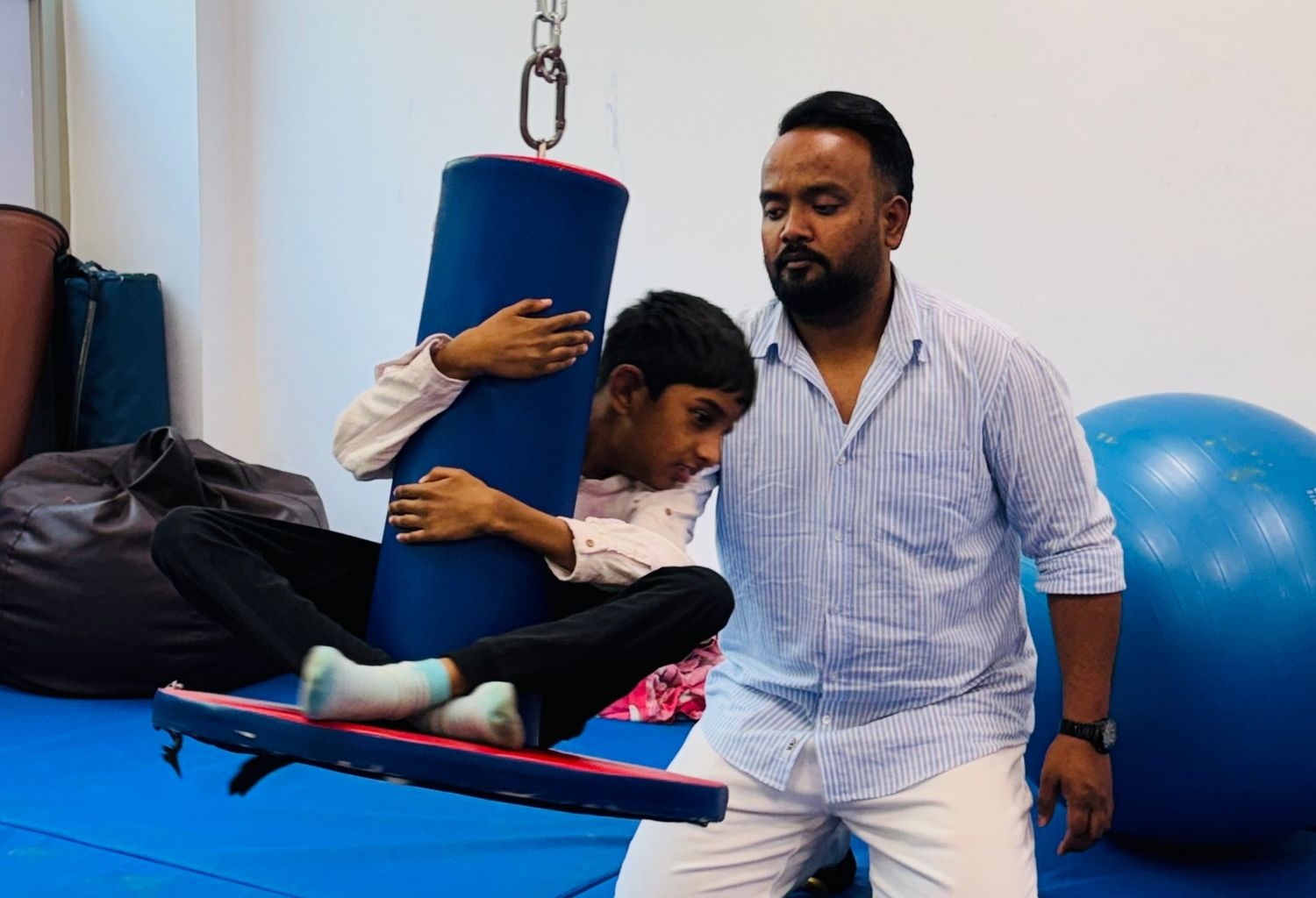
We focus on sensory regulation first, helping children achieve calmness, improved attention, and readiness for learning and participation activities.

Real-Life Skill Integration
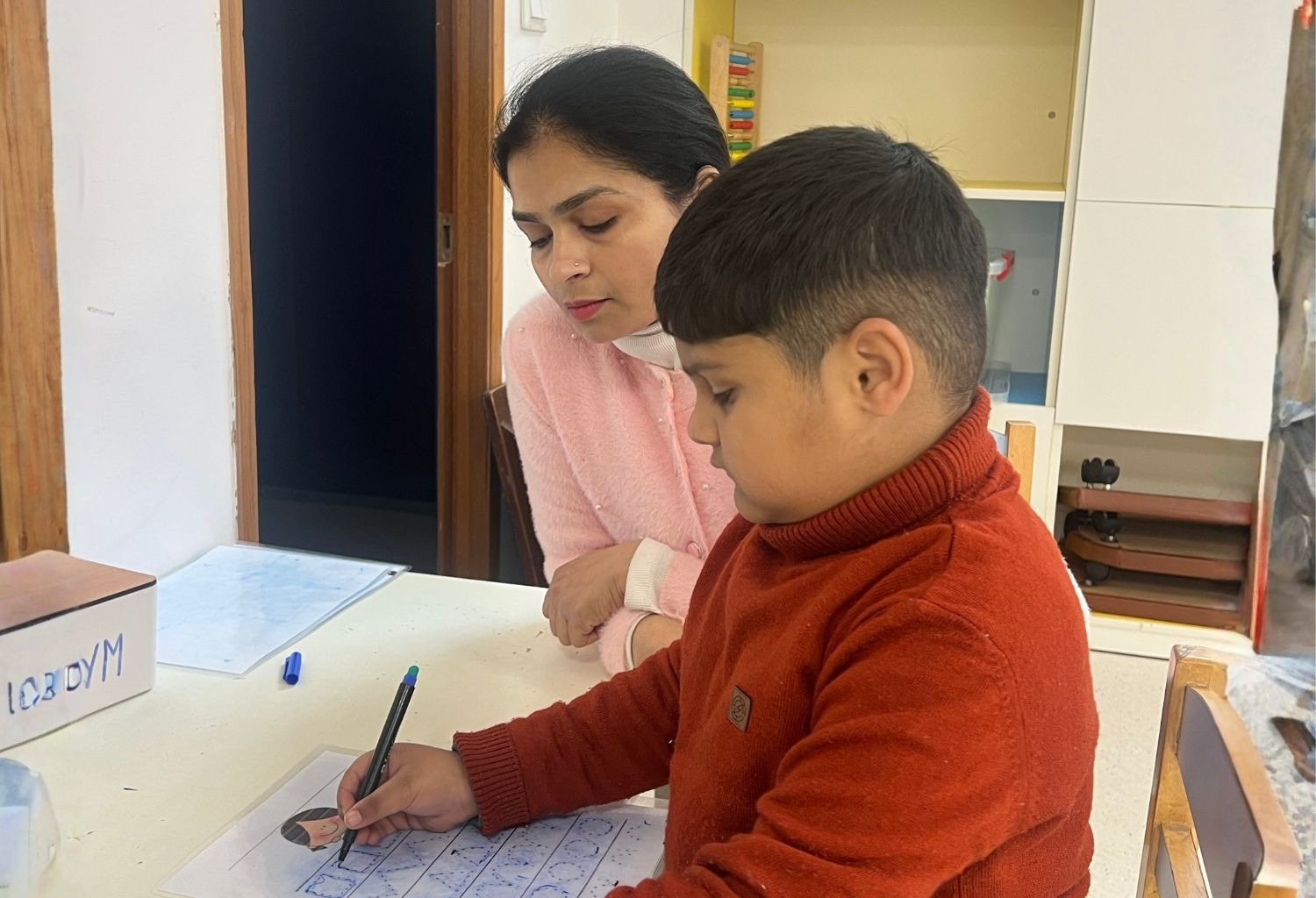
Therapy sessions are designed to improve school participation, daily routines, independence, and practical skills for everyday functioning.

Collaborative Care Model
Our team collaborates closely with ABA, Speech, and academic professionals to ensure consistent strategies and better developmental outcomes.

Expertise Across Age Groups
Experienced therapists work with children and young adults aged 3–25 years, adapting approaches to suit each developmental stage effectively.

Ongoing Progress Tracking
We continuously monitor progress, review goals, update therapy plans to ensure effectiveness and measurable long-term development outcomes.


