

What is Social Skills / Group Skills at ACE?
Social and group skills refer to a child’s ability to interact appropriately and confidently with peers and adults in shared environments. These skills include taking turns, waiting appropriately, sharing materials, following group instructions, participating in circle time, initiating and responding to peers, and managing emotions in social situations. They also involve foundational social behaviors such as greeting others, saying goodbye, maintaining appropriate eye contact, understanding personal space, maintaining safe body boundaries, using polite words, and respecting social distance.
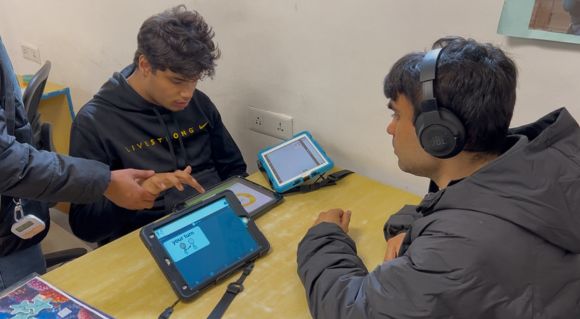
Strong group skills help children succeed in classrooms, playgrounds, family gatherings, and community settings. When children are able to greet a peer, wait for their turn, maintain appropriate distance, or respond when someone speaks to them, they are better able to build meaningful relationships. At ACE, we focus on helping children feel confident, regulated, and connected while meaningfully engaging in group activities.
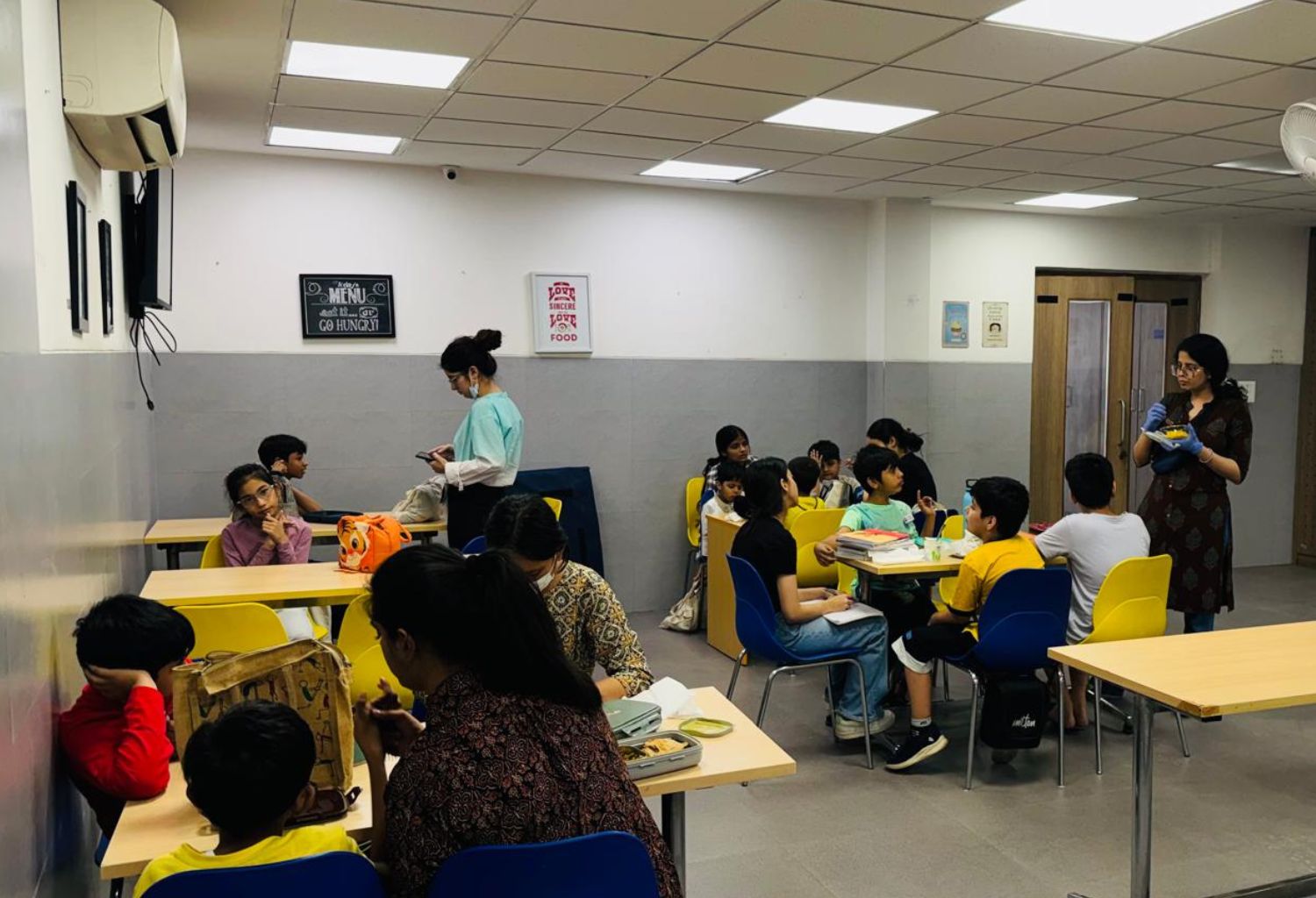
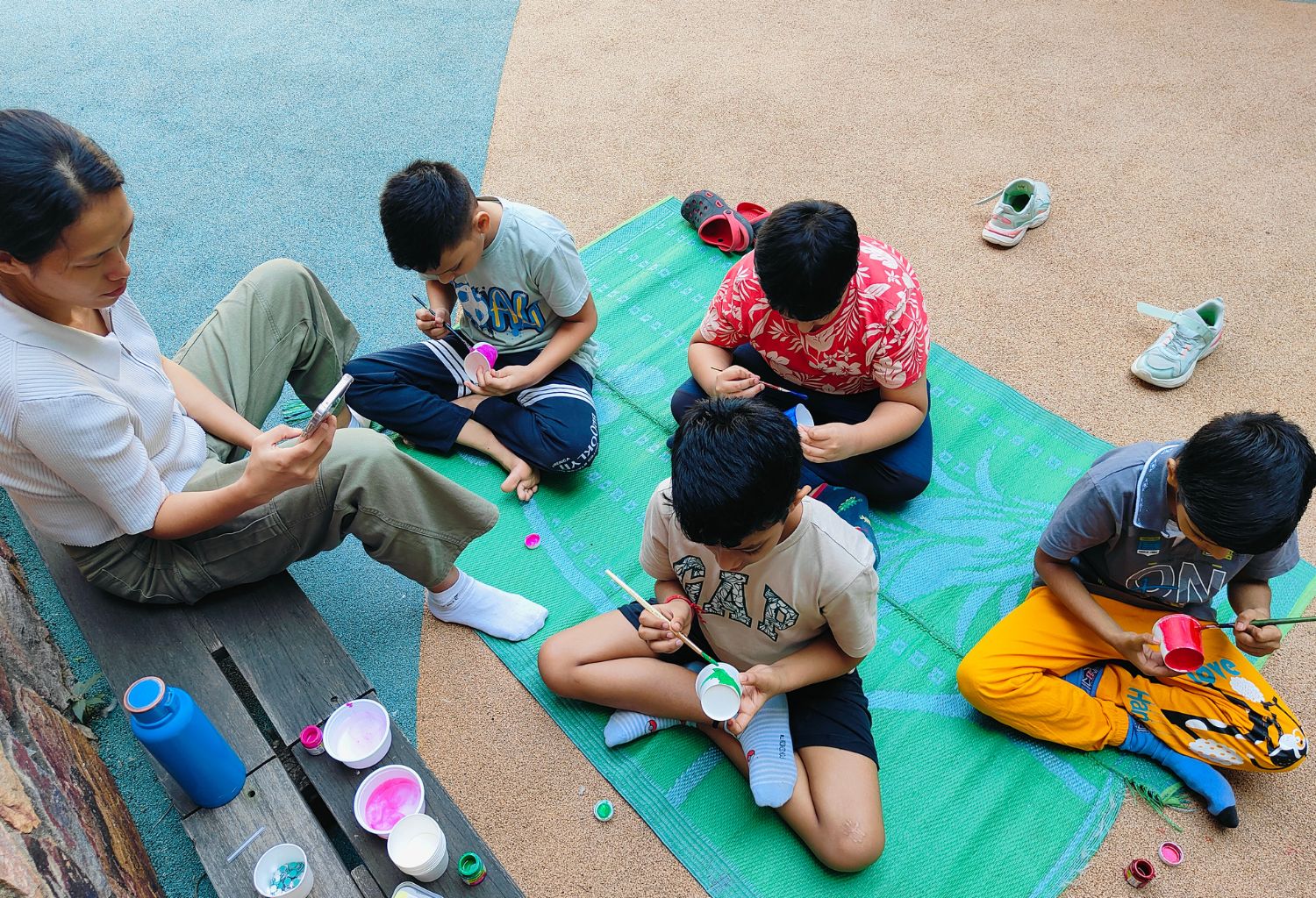
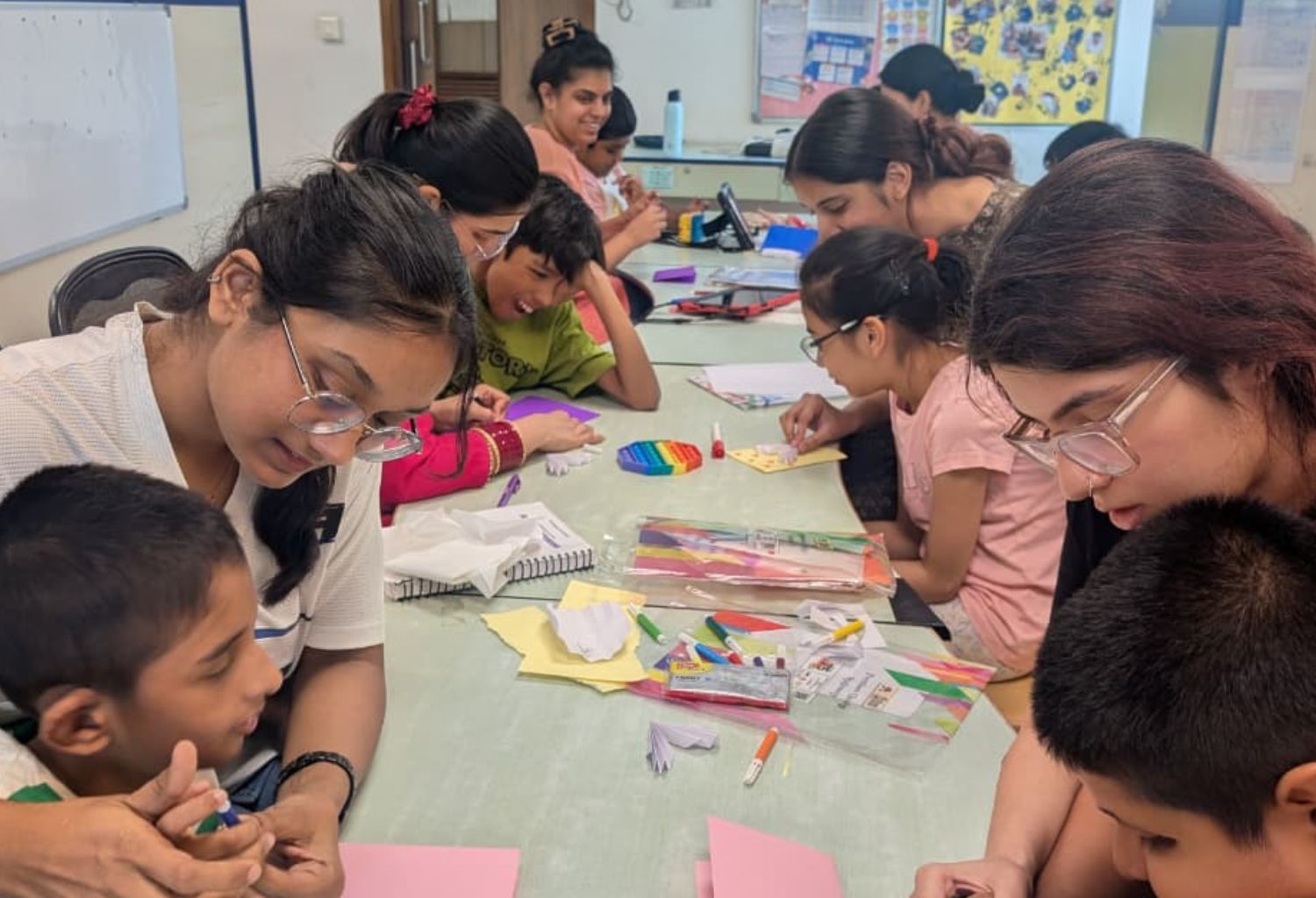
How do we teach group skills at ACE?
At ACE, we use a structured yet naturalistic approach to teach social and group skills. Our sessions are intentionally designed to mirror real-life classroom routines and peer interactions.
- Structured Group Sessions
Children participate in small, therapist-led group activities such as circle time, art & craft, games, music, and movement sessions. These activities target turn-taking, listening, greeting peers, responding to their names, maintaining eye contact, and participating appropriately in shared tasks.
- Individualized Goals within Group Settings
Each child works on personalized social goals during group time. For example, one child may
be working on waiting for 30 seconds, another may practice greeting peers independently, while another focuses on maintaining appropriate physical distance during play.
- Modeling & Role Play
Therapists model appropriate social behaviors such as saying “hello” and “goodbye,” requesting to join play, maintaining personal space, and resolving minor conflicts. Children are guided through role-play scenarios to practice these skills in a safe and supportive environment.
- Visual Supports & Prompts
We use visual schedules, cue cards, social stories, and gentle prompts to support understanding of expectations such as keeping “safe hands,” giving friends space, making eye contact while speaking, and following group routines.
- Positive Reinforcement
Appropriate social behaviors—such as greeting independently, waiting calmly, or using polite language—are reinforced consistently to build confidence and intrinsic motivation.
- Gradual Fading of Support
As children gain independence, prompts are systematically reduced to encourage spontaneous greetings, natural peer interaction, appropriate body boundaries, and self-regulated participation.
Why Choose ACE for Group Skills?
At ACE, our group skills program is individualized within a structured group model, meaning every child works toward specific, measurable goals embedded naturally within group activities. Our sessions are therapist-guided yet child-centered, balancing structured teaching with meaningful, play-based interactions.
We place a strong emphasis on emotional regulation, recognizing that successful social interaction requires children to manage their feelings, impulses, and responses. Our approach is generalization-focused, ensuring that skills such as greeting appropriately, maintaining eye contact, respecting personal space, and participating in group routines transfer to school, home, and community settings.
Led by an experienced team that understands developmental differences, we create safe, inclusive group environments where children are supported to grow socially and emotionally.
At ACE, we don’t just teach children to “sit in a group” — we teach them to confidently participate, communicate, and truly belong in one
Frequently Asked Questions (FAQs)
1. My child struggles to sit in a group. Can they still join?
Yes. We assess readiness and may begin with shorter group durations, gradually increasing participation time as tolerance and regulation improve.
2. What if my child does not talk?
Social skills are not limited to verbal communication. We support alternative communication methods such as gestures, signs, AAC, and visual supports. Greeting, eye contact, turn-taking, and body boundaries can all be taught using various communication systems.
3. My child struggles with eye contact or personal space. Can this be worked on?
Yes. Skills such as maintaining appropriate eye contact, understanding personal space, and respecting physical boundaries are directly taught using modeling, role play, and visual supports.
4. How big are the groups?
Groups are small and structured to ensure individualized attention, safe peer interaction, and
meaningful engagement
5. How do you manage challenging behaviors in group settings?
We use proactive strategies, clear expectations, visual supports, emotional regulation tools, and positive reinforcement. Regulation and connection are prioritized over compliance.
6. How do I know if my child is making progress?
Progress is tracked through measurable goals and shared regularly with parents through review meetings and reports.
7. Will these skills transfer to school?
Yes. Our programming mirrors classroom structures and focuses heavily on generalization so children can apply skills such as greeting peers, waiting their turn, and following group instructions across settings.
Empowering Every Step with Social Skills / Group Skills
Our goal is not just participation, but meaningful, independent engagement where children
understand how to connect with others in socially appropriate ways.


