

What is Physical Education (PE)?
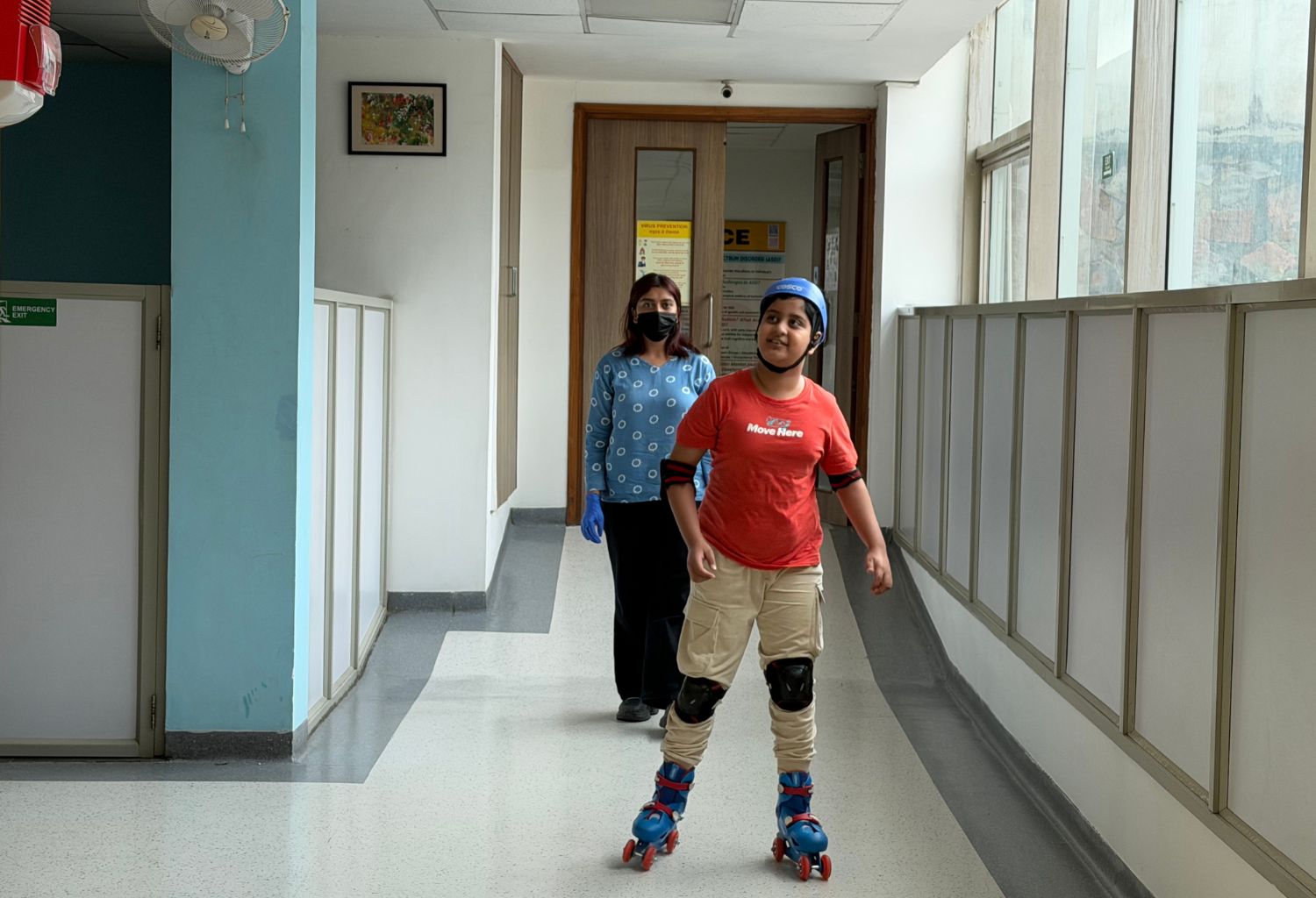
Physical Education (PE) at ACE is a structured, therapeutic movement program designed to improve strength, endurance, coordination, balance, and overall physical fitness. Many children with autism and developmental challenges have low stamina, poor body awareness, and reduced physical confidence.
PE helps build strong, regulated bodies, which directly support learning, behaviour, and emotional well-being. Through engaging activities and individualized support, children develop motor skills, confidence, teamwork, body control, and healthy movement habits that encourage greater independence in daily life. These experiences also promote physical awareness, social interaction, coordination, and participation in everyday activities.
How do we do Physical Education at ACE?
PE at ACE is goal-oriented and therapist-guided, not just free play or exercise.
-
Programs are designed based on:
- Physical strength and endurance levels
- Motor coordination and balance
- Sensory needs and regulation capacity
- Motivation and participation level
- Our PE sessions may include:
- Bodyweight and functional strengthening exercises
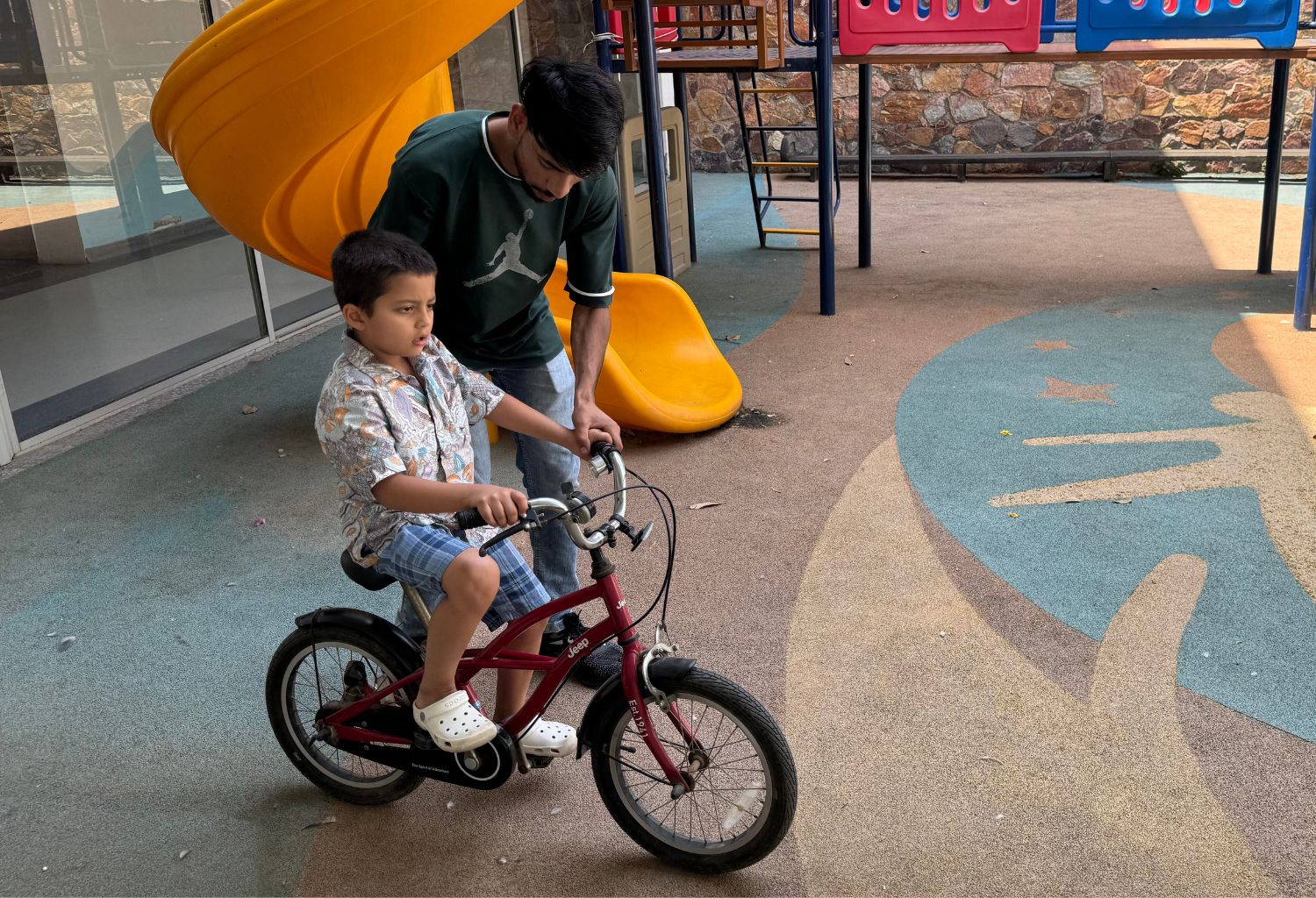
- Endurance training (running, treadmill, cycling)
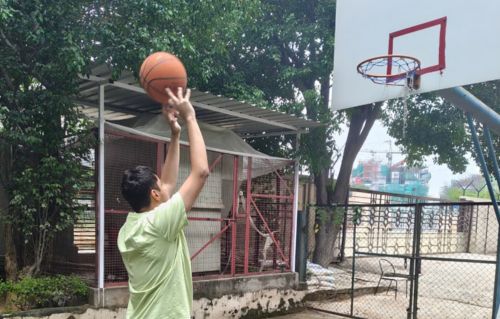
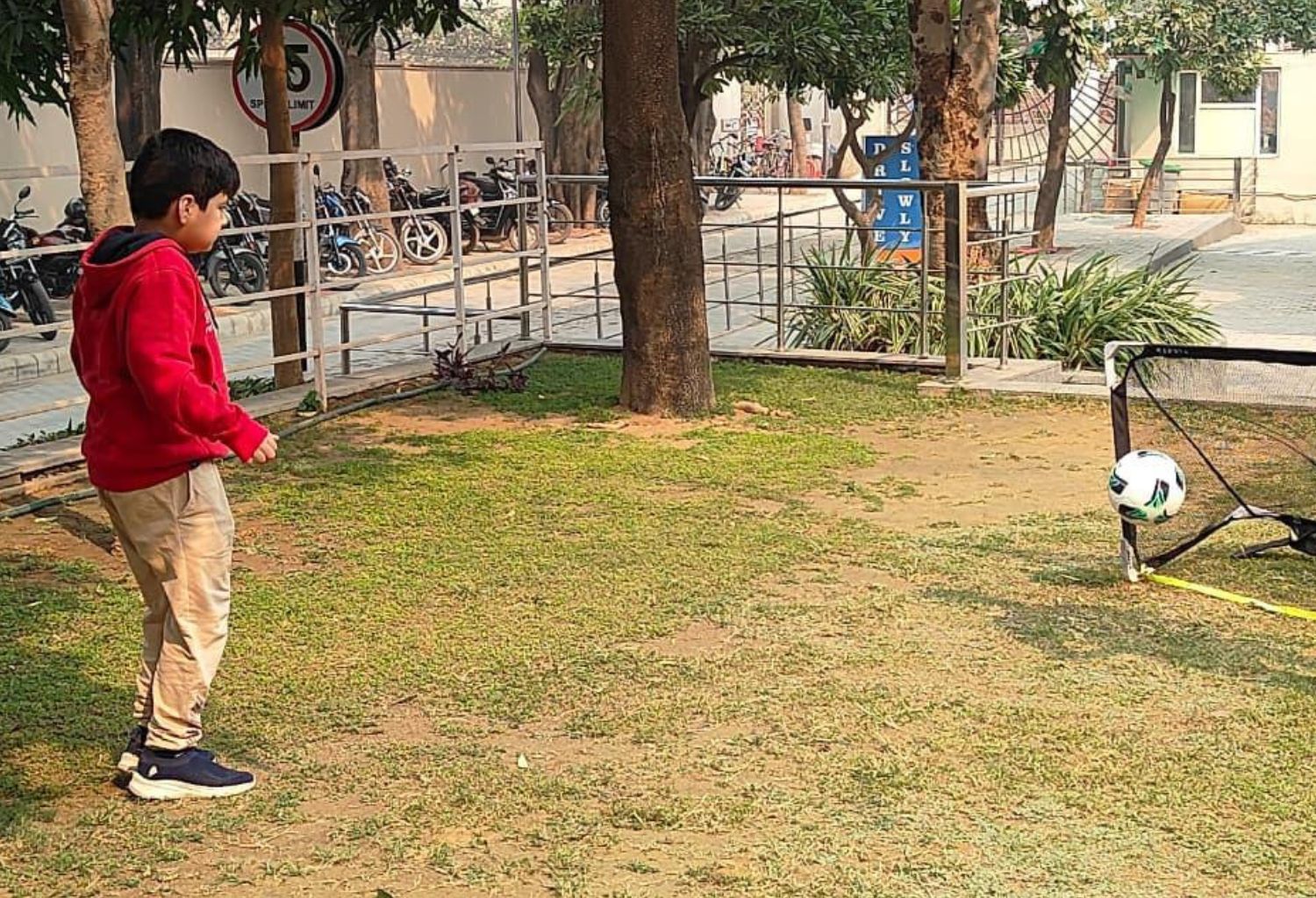
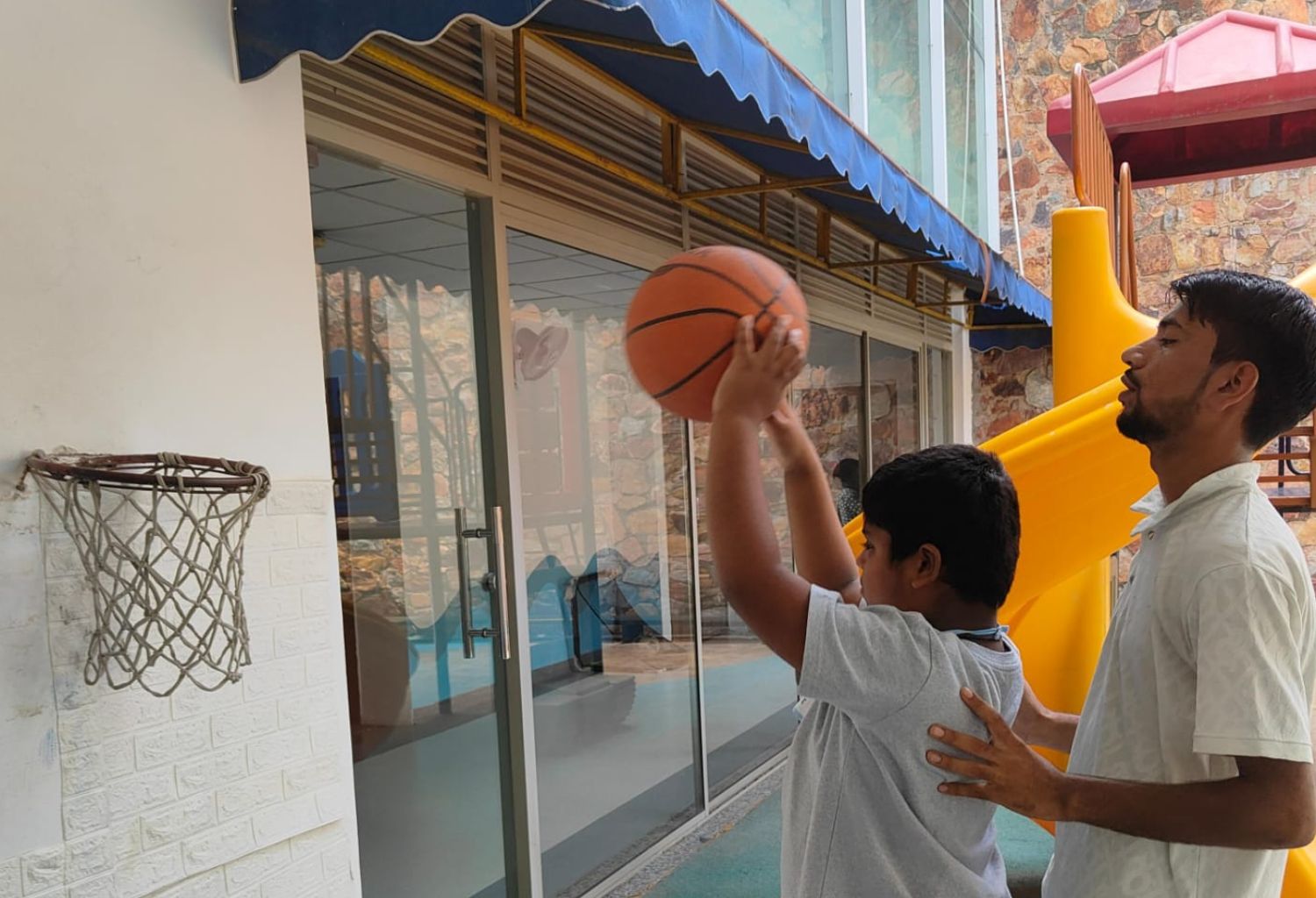
- Sports-based activities (basketball, table tennis, ball skills)
- Coordination and agility drills
- Group PE sessions to build turn-taking, rule-following, and social participation
Activities are graded to ensure safety, success, and gradual progression.
Why choose ACE for Physical Education?
- Structured PE programs tailored for children with special needs
- Focus on regulation, stamina, and confidence, not just fitness
- Integration with OT and therapy goals
- Child-friendly, motivating environment
- Suitable for children and adolescents (3–22 years)
- Emphasis on consistency and long-term physical development
At ACE- We also train children for participation in sports competitions, focusing on physical readiness, skill development, rule understanding, teamwork, and confidence building, while keeping abilities and safety in mind
Common FAQs – Physical Education
1. How is PE at ACE different from regular school PE?
Our PE is therapeutic and individualised, focusing on motor development, regulation, and functional outcomes rather than competition.
2. Will PE make my child more hyperactive?
No. Structured physical activity helps reduce restlessness and improves attention and calmness
3. Is PE safe for children with low strength or coordination?
Yes. All activities are graded and closely supervised based on the child’s ability.
4. How often should PE sessions be done?
Most children benefit from 2–3 PE sessions per week, depending on stamina and goals.
Enhancing Everyday Independence with Physical Education
Personalised, evidence-based support to develop functional skills, improve sensory regulation, and help individuals participate confidently in daily activities.


